Showing posts with label Indian Limes. Show all posts

05 April, 2017

Rama Navami Panakam Recipe | Jaggery Limeade ~ Healthy & Refreshing Summer Drink

How to make Panakam or Panagam ~ Jaggery Limeade flavoured with crushed cardamoms, peppercorns and dry ginger, a refreshing and healthy summer drink

Today is the ninth and last day of Chaitra Navaratri as per Hindu calendar. Today is also Ram Navami, a festival that celebrates the arrival of Vishnu’s 7th avatar, Lord Rama. Growing up in South India, it meant eating kosambari (cucumber and moong bean salad) while guzzling down tall glass of Panakam (sweet and summery health drink of jaggery and lime flavoured with crushed green cardamom, peppercorns and dry ginger), listening to the tales of Ramayana.



I am not a religious person, but that doesn’t stop me from cooking and eating festive foods. As with any other Hindu festival, Ram Navami is also celebrated with special food offered to the deity called neivedyam. Once the food is offered to the god, it is distributed among people as prasad or prasadam, a blessed food. Panakam is one such food that is made during Ram Navami along with other neivedyams such as kosambari, and majjige neeru (spiced butter milk). They are simple and quite refreshing summer recipes, showcasing the wisdom and scientific reason with great health benefits behind every festival food designed by our ancestors. The word Panakam in Sanskrit means ‘sweet drink’ and as the name suggests, it’s a sweet drink of jaggery and lime flavoured with crushed green cardamoms, peppercorns and dry ginger.

20 January, 2017

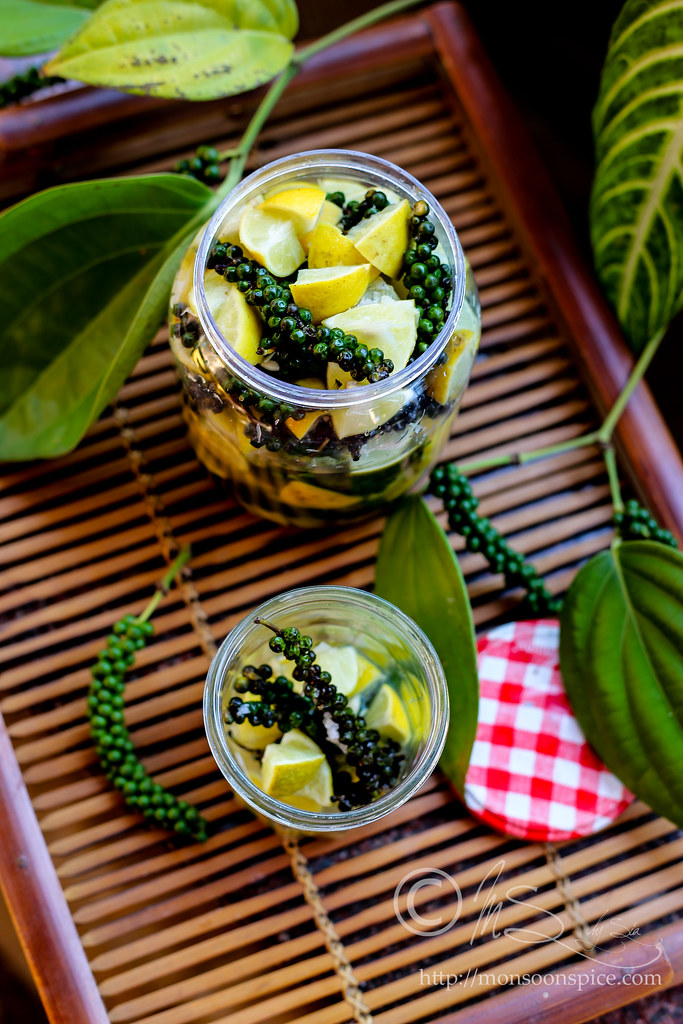
Lime and Fresh Green Peppercorn Pickle Recipe | Pickled Green Peppercorns and Limes in Brine

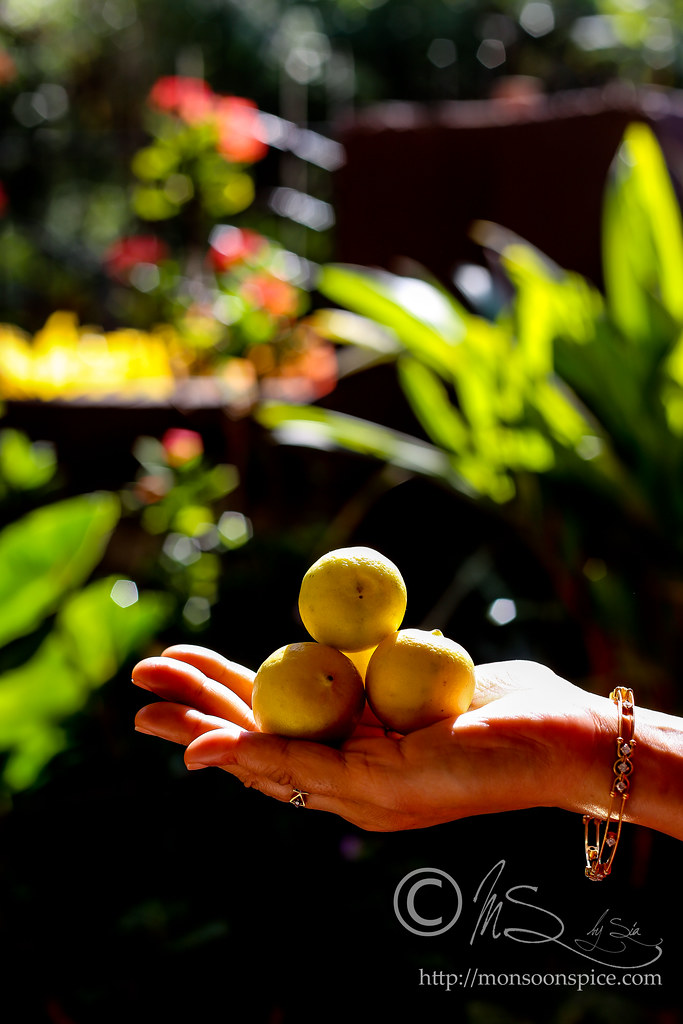
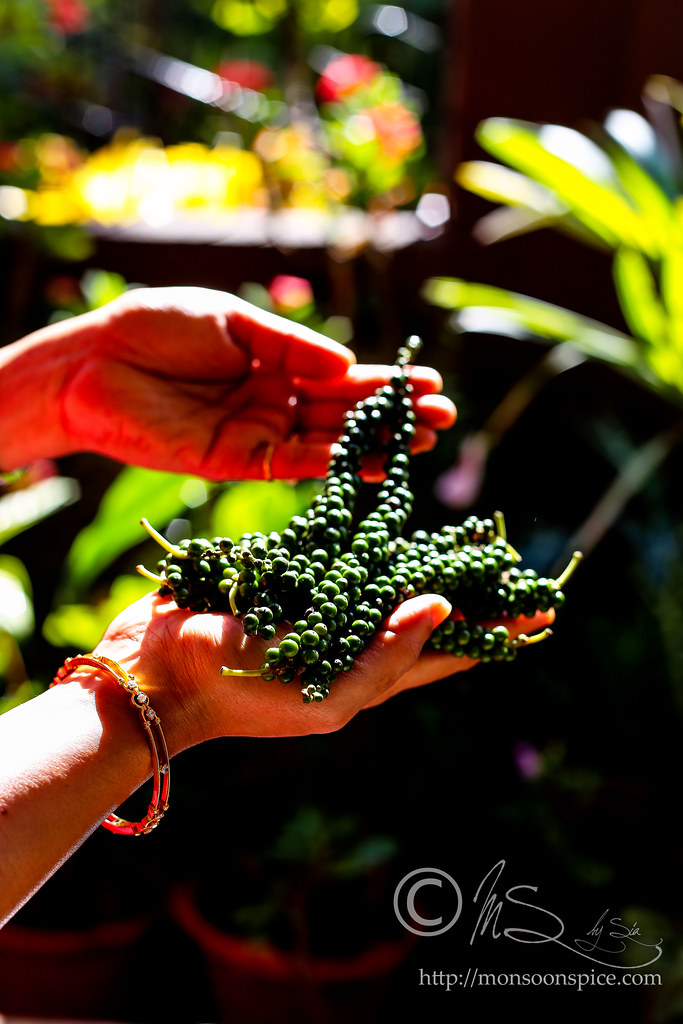
Learn how to make Lime and Fresh Green Peppercorn Pickle ~ Pickled Indian limes and fresh green peppercorns in brine

‘Sacred’ is a very special word that I use for pickles. Pickles, a heart and soul of Indian cuisine is the most precious condiments without which our meals are unimaginable and well, incomplete. The word pickle is an emotion and it screams ‘home’. Whichever part of India and Indian subcontinents we might come from, a smudge of pickle on a plate has the capacity to make even the simple meal of dal and rice seem more appetising. For Indians, pickles are not mere a condiment, but an integral part of the meal and a tasty accompaniment which keeps us connected to our roots even when we are thousands of miles away from our home and homeland.


As a child, my first food memories revolves around pickle. Come summer and my ancestral home would transform into a buzzing pickle factory. Pickle making was a family effort and everyone in our large joint family had a role to play in this most exciting process. There were special mango trees cultivated in our family estate specially reserved for pickling. These pickling mangoes had right amount of acidity, texture and crunch for making the perfect and most delicious pickles. It was my grandfather’s role to make sure that the farm workers plucked the mangoes at the right time before they matured, taking care not to drop them on the grounds as they reduced the shelf life. Most mangoes were pickled before they developed hard stones and some were left on the trees to mature for other varieties of mango pickles. As a child, I remember watching the workers expertly climb a century old mango trees and pick the mango bunches and carefully stock them in a wicker baskets hanging next to them in a long rope. Once the basket was filled to the brim, it was carefully lowered to the ground where it was emptied into huge wicker baskets lined with gunny bags. Thousands and thousands of tender mangoes were then carried back home where the ladies of the house eagerly waited.