Showing newest posts with label Chutneys. Show older posts

Friday, 23 October 2009

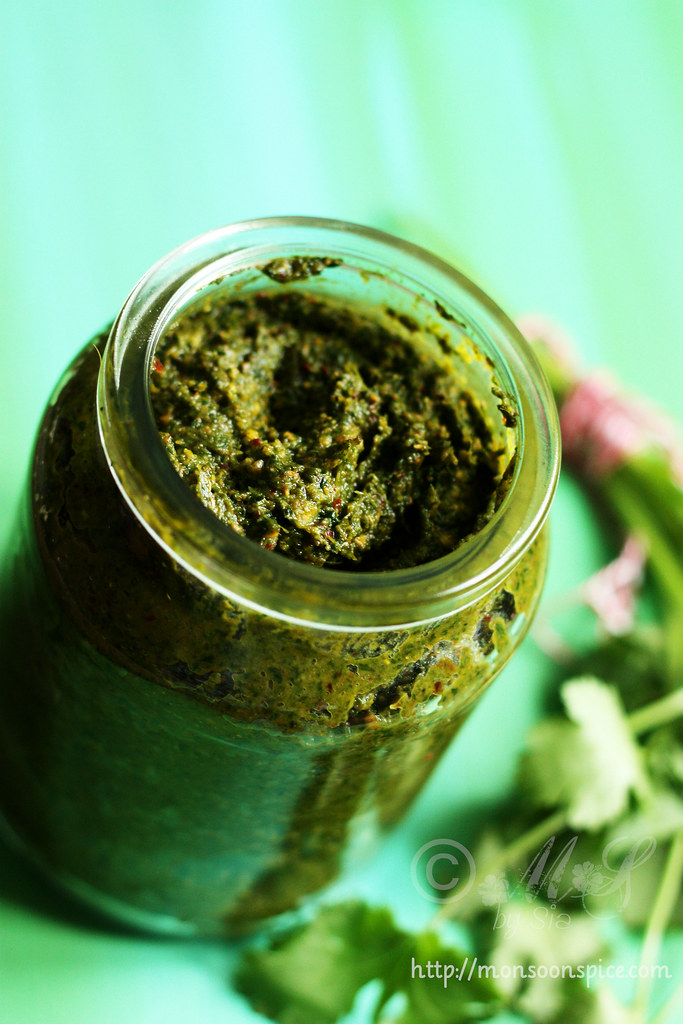
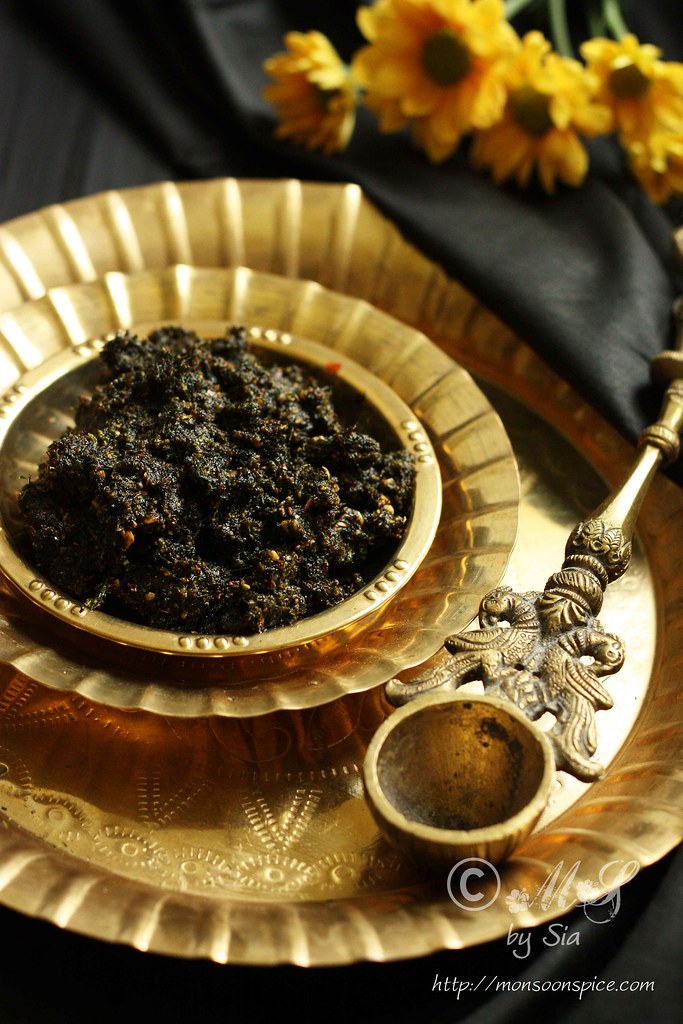
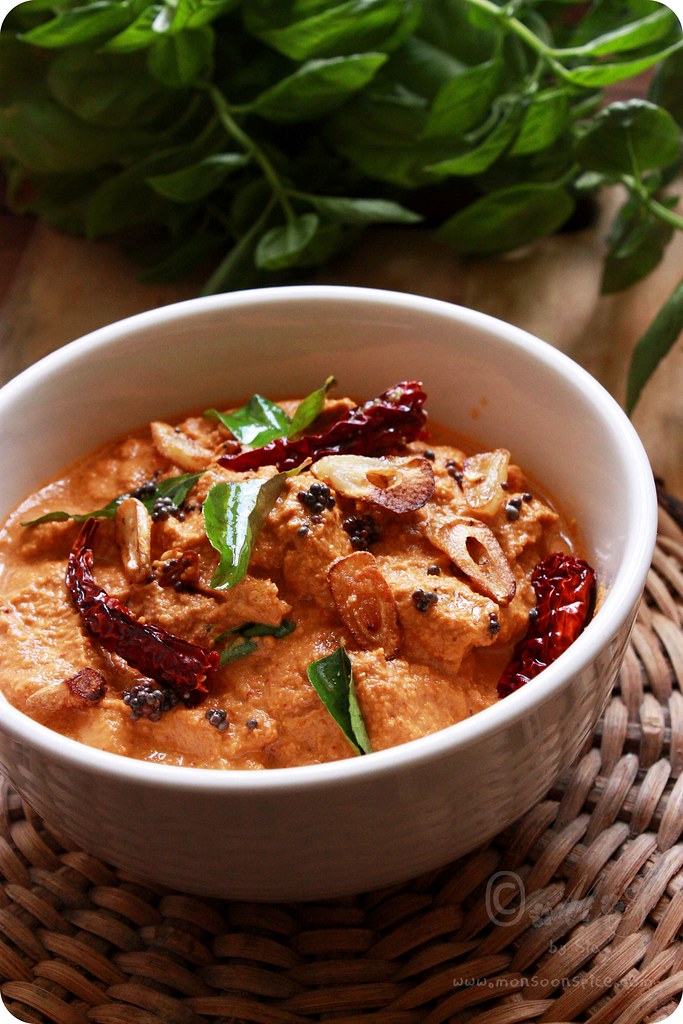
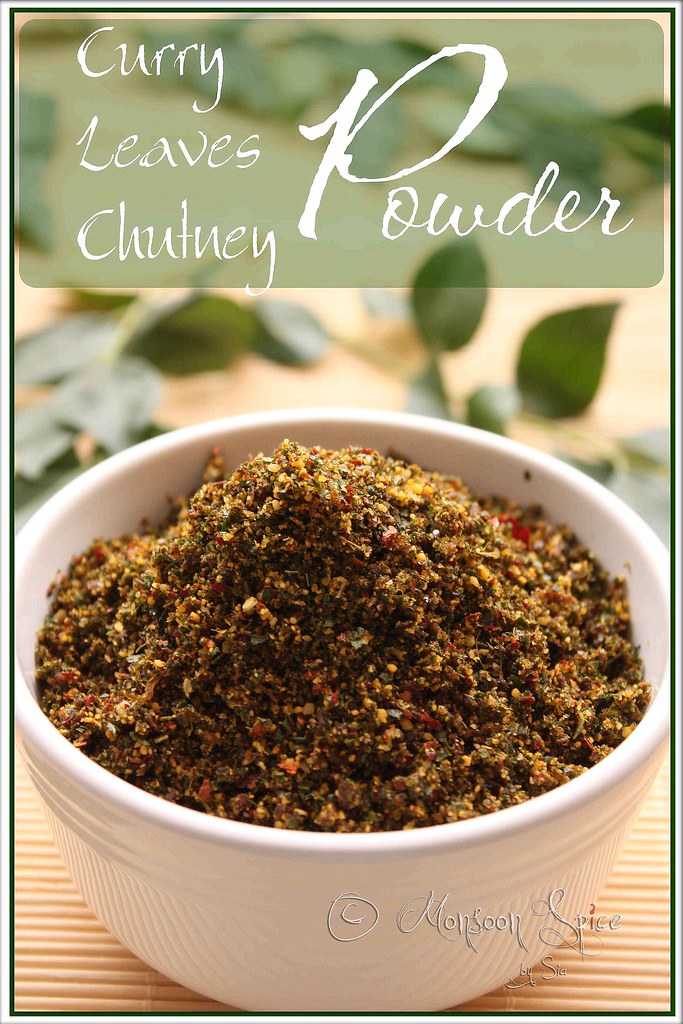
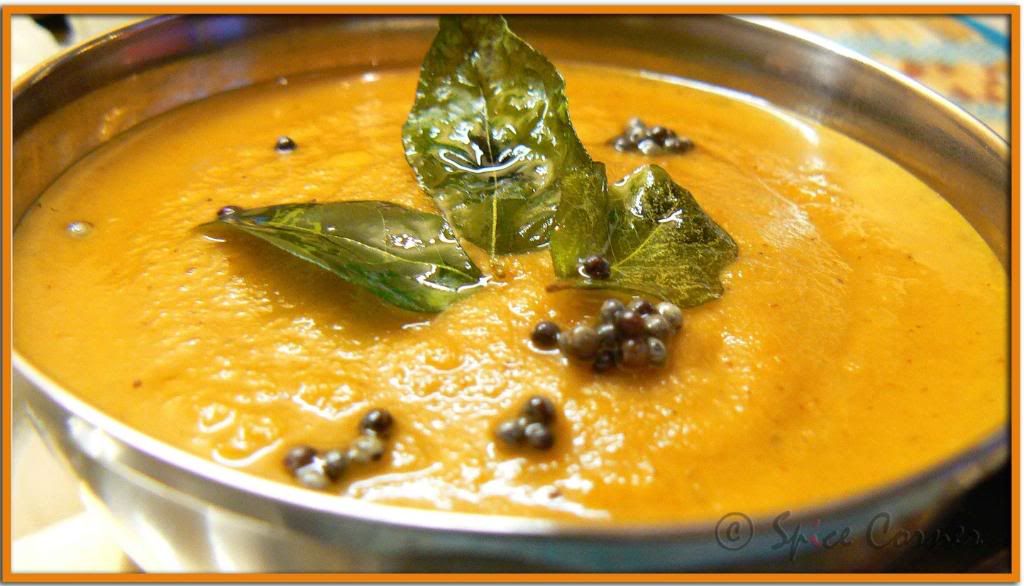
Curry Leaves Chutney Powder: An Aromatic Affair!

curry-leaves-chutney-powder3
Curry Leaves Chutney Powder


“What are they?” asked British lady standing right next to me in Asian grocery store.
“Its curry leaves”, I replied.
“Oh! So curry powder is made from these leaves then?”

I just met another person who thinks curry powder is made from curry leaves or some part of its tree and I am sure that there are many more like her who thinks the same! I, along with my friends here in BC and many other food bloggers, have been stressing that there is nothing called “Curry Powder” in Indian cuisine. Now that I have told that curry leaves are not used in making curry powder, shall we go one step ahead and explore the fragrant routine of discovering how curry leaves are used in Indian cuisine?

The Curry Tree or Karivepallai or Kadipatta (Scientific name: Murraya koenigii) is a tropical to sub-tropical tree in the family Rutaceae, which is native to India. It produces the leaves known as Curry leaves or Sweet Neem leaves.

The small and narrow leaves somewhat resemble the leaves of the Neem tree; therefore they are also referred to as Karuveppilai (translated to Black Neem leaf) in Tamil and Malayalam, Karu/Kari meaning black, ilai meaning leaves and veppilai meaning Neem leaf. In the Kannada language it is known as Kari BEvu and Karivepaku in Telugu, again translating to the same meaning Black Neem leaf. Other names include Kari Patta (Hindi), which probably is a corrupt translation of Karuveppilai, noroxingha (Assamese), Bhursunga Patra (Oriya), Kadhi Patta (Marathi), Mithho Limdo (Gujarati) and Karapincha (Sinhalese).

(Source: Wiki)

Curry leaves are aromatic and hence used as one of the main ingredients in tadka/tempering for most of South Indian and Sri Lankan cuisines. Although it is a most loved ingredient for seasonings in the south Indian culinary world, its use doesn’t limit to this. The fresh aromatic leaves are used to make wet chutney, chutney powders, spice blends etc. They are also used for many medicinal purposes as an antidiabetic, antioxidant, antimicrobial, anti-inflammatory, hepatoprotective, anti-hypercholesterolemic etc. My grandmother never got tired of saying how good these leaves are for lustrous and glossy hair when consumed in fresh/raw form! And trust me when I say that our Grandmothers never lie when it comes to curry leaves!

Many good Asian grocery shops sell good bunch of fresh curry leaves and some also sell them as frozen or in dried form. Although you can use these frozen or dry curry leaves, their aroma and flavour is much mellow when compared to the heady aroma of fresh curry leaves. When these curry leaves are added to hot oil, along with other seasonings ingredients, the heady aroma of released from these leaves is something that you need to experience on your own as it is way too difficult to express in few words! These leaves infuse their flavour to any dish they touch and make their presence felt.

Today’s recipe features Curry Leaves in lead role and not just as a cameo! This recipe of Curry Leaves Chutney Powder is made from one of my favourite cookbooks: Cooking at Home with Pedatha. In South India, any traditional meal is incomplete without Pickles and/or Chutney Podi. For all who are short of time, pickles and podis are nothing short of saviours! For a quick fix meal, all that is needed is some steamed rice, ghee (Indian clarified butter), some papads and pickle or podi of your choice and voila, you have one delicious meal to savour!

This Curry Leaves Chutney Powder is one of my favourite condiments to have with some crisp Dosa or fluffy and spongy Idli or simple steam cooked rice and chilled curds/yogurt. The recipe is simple and straight forward! All you need is a bunch of curry leaves, few lentils and whole spices. Roast them all in few teaspoons of oil and grind them to coarse powder along with tamarind for that tangy flavour. And in few minutes you have this aromatic, spicy, tangy, protein rich Podi that could be simply stored for a month or two!!! As and when needed, take one or two spoonfuls of this powder and mix them with a bowl of hot/warm rice, papad, ghee or a bowl of yogurt and you have this delicious meal ready in a jiffy. Life can’t get much simpler than this!


curry-leaves-chutney-powder
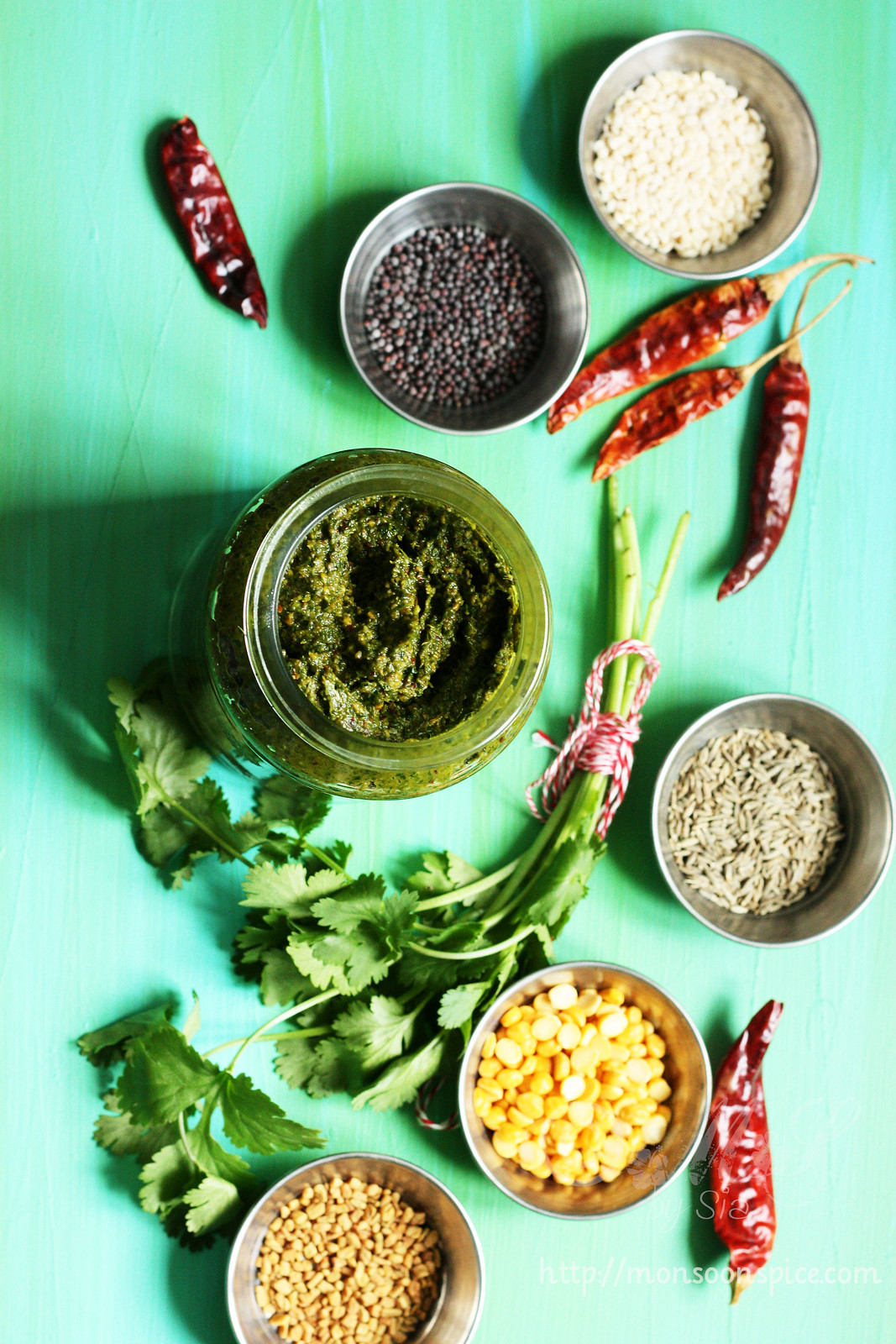
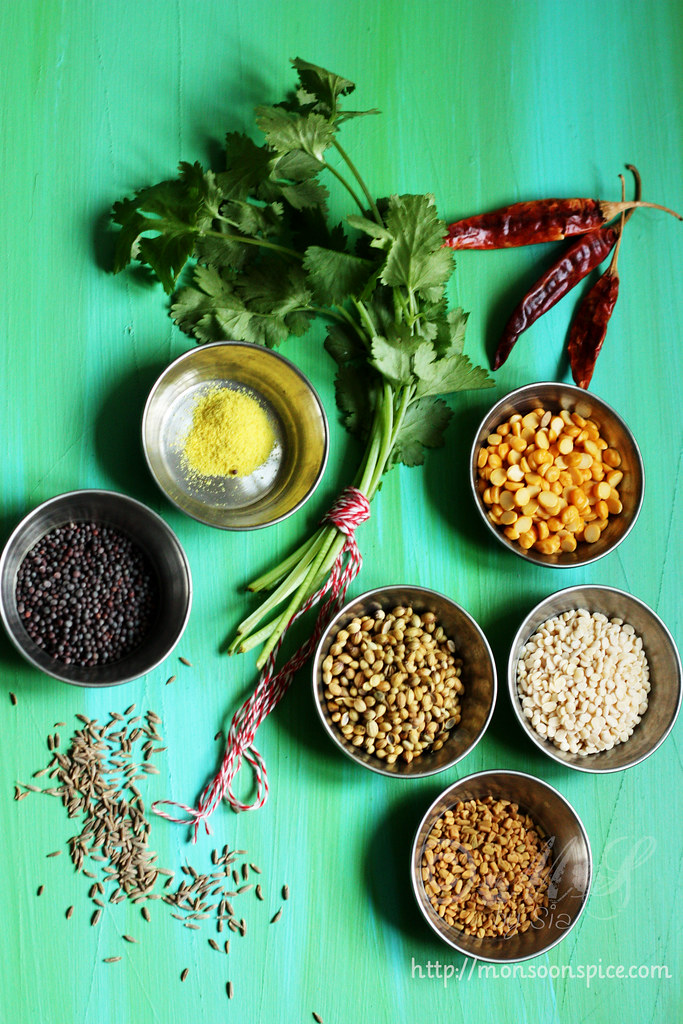
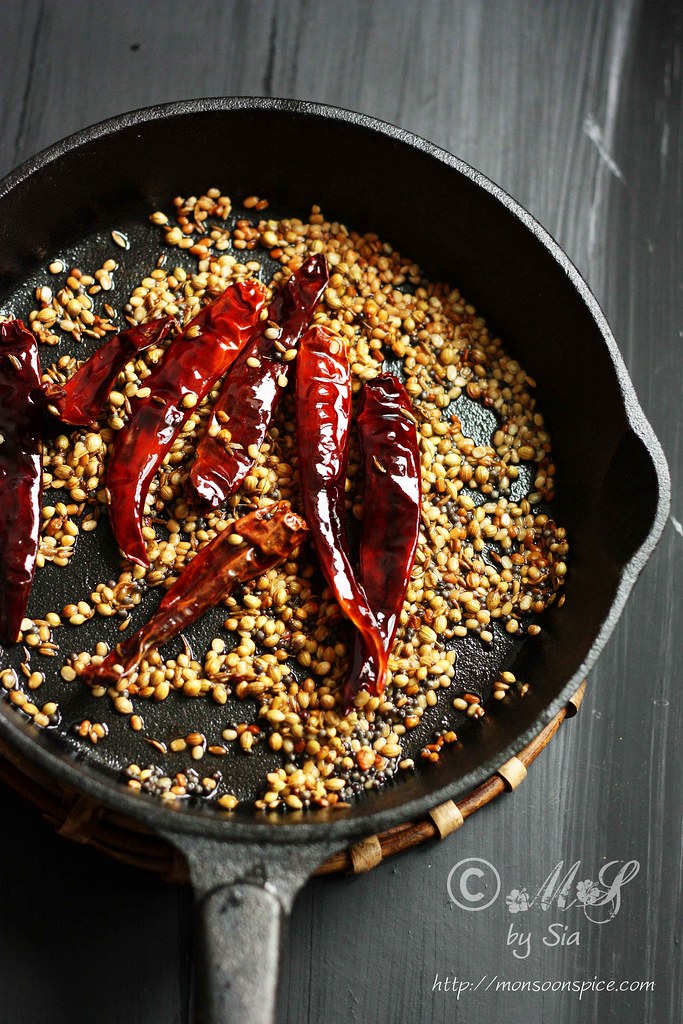
Roasted Ingredients for Curry Leaves Chutney Powder


Curry Leaves Chutney Powder (Spicy, tangy & aromatic blend of Curry Leaves, Lentils, Spices & Tamarind)
Prep Time: 5 mins
Cooking Time: 10-15 mins
Makes: Around 1 cup of Chutney Powder
Shelf Life: 2-3 months when refrigerated
Recipe Level: Basic/Beginner
Recipe Source: Cooking at Home with Pedatha

Ingredients:
2 cups Fresh Curry Leaves, loosely packed
8-10 Dry Red Chillies, about 3 inch long and stalks removed
1 small Lime sized Tamarind Pulp
1 tsp powdered Hing/Asafoetida
2 tsp Urad Dal/Split Black Lentils
2 tsp Channa Dal/Split Chickpeas
1 tsp Jaggery/Sugar (Optional)
2-4 tbsp Oil
Salt to taste

curry-leaves-chutney-powder1
Curry Leaves Chutney Powder

Method:
Remove curry leaves from its stalk and rinse them clean. Wipe them dry using kitchen towel and keep them aside till needed.
Heat a wide pan on medium flame and dry roast urad dal and channa dal, separately, till they turn golden brown and keep them aside.
In a same pan, add hing and roast on low heat for half a minute and keep it aside along roasted lentils.
Add about 2-3 tbsp of oil in a pan and when it is heated add curry leaves. Roast these curry leaves on medium heat till they turn crisp but retain that lovely green colour, about 3-5 mins. Keep it aside.
In a same pan, add dried red chillies and roast for around half a minute to minute. Make sure that you don’t roast the chillies too much and turn black. Keep it aside along with other ingredients.
Next add tamarind pulp in a pan and roast for around 45 seconds. Keep it aside to cool.
Once all the ingredients have cooled enough, transfer them into dry mixer or food processor jar and grind to fine or coarse powder according to your preference.
Transfer ground powder into dry and clean jar. Pop it in refrigerator for longer shelf life. You can serve this delicious Curry Leaves Chutney Podi/Powder with Dosa, Idli or steamed rice and enjoy.

Serving Suggestion:
Take a teaspoon or two of Curry Leaves Chutney Powder and mix them with a bowl of steam cooked rice, topped with ghee and some Papads. Or mix this Chutney powder with a bowl of rice and yogurt.
You can also serve it as a side dish with Dosa or Idli, topped with a dollop of Ghee or oil.


Special Notes/Tips:
Make sure that the curry leaves are washed, rinsed and dried thoroughly before frying them as the moisture will reduce the shelf life of this chutney powder.
(This post is reproduced from Beyond Curries. While you are enjoying this Curry Leaves Chutney Pwder, don't forget to take a quick peek at my Diwali post on Beyond Curries where something sweet is waiting for you. Yes, you heard me right. We are having Sabudana Payasa/Kheer for dessert.)

Continue Reading...


Thursday, 15 May 2008

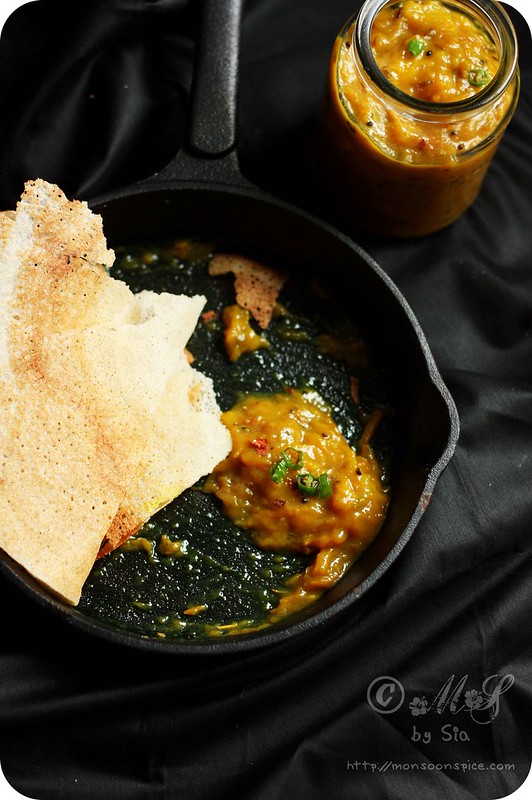
Mango Memories: Spicy Mango Chuteny/Pickle

Photobucket
Spicy Mango Chuteny/Instant Mango Pickle

Mangoes here, mangoes there, and mangoes every where!
There they are swinging along on a laden tree;
Here they are tightly packed in a wooden cartoon.
There they are neatly sliced and piled on a plate,
Here they are pickled and brined to perfection.
It’s a season of Mango Mania.
- By Yours Truly Sia Wordsworth ;)

It is and it will always be mangoes that rule my world and my childhood memories. Forget all exotic fruits- pineapple, peach, kiwi, plum, berries; nothing can ever come quite close to magnificent Mangifera Indica in flavour, taste or aroma. It’s a same story every year. Just one look at them and I start reminiscing about the Mango Season, the season of the king of fruits, back home in India.

Come summer and it meant only one thing for me and my sister, long vacation at Paternal Granny’s home. The memories of those sunny, glorious summer days of endless fun, pranks and digging our teeth into succulent mangoes warm my heart even today. Granny’s house was just like many other beautiful tiled-terraced houses (or more like mansion) in my native Mangalore. Surrounded by acres of greenery, the white house with red tiles stood tall and proud with wide porches running around the house. Polished to perfection red oxide floors would gleam with intricately carved round rosewood pillars supporting the roofs. The trees around the big house served as the compound walls and the beautiful water stream flowing right next to the house was its gate. Magnificent jackfruit, tamarind, coconut trees competed against each other for the title in the backyard.

Amidst them was this garden from heaven, Mango Orchard. No idea as since how long it’s been there. It was just like my great grand father knew that his numerous great grand children, like hungry flocks of birds, would come and attack the mangoes while they were still green, tender and sour. Just one look at those luscious gold and emerald coloured fruits hanging from green leafy trees was enough to get us all excited. Every summer it was the same story as if we were looking at the mangoes for the first time. There’s always something special about mangoes. It is like seeing the gold rush, precious to every kid and even grown up. Always trying to suppress the innate urge to monkey around but failing miserably, all we kids were seen hanging from the mango trees while the grownups snored through the hot summer afternoons. While older kids, especially the boys, climbed the higher branches we smaller kids would be seen hanging from the lower branches of the trees. And the ones who were scared of height were seen standing on the ground holding a big bath towel spread wide to collect the mangoes picked and thrown by the ones on the trees. Biting deep into raw sour mangoes and dipping those pieces into the spiced ground mixture of salt, pepper and red chillies wrapped in an old newspaper sheet was pure heaven. If that was not enough, each and every meal served during mango season had one or more mango dish to tingle our taste buds. Tender Mangoes ground with Sweet Coconut Chutney, Tender Mango Pickle, Mango Dal, Mango Burfee, Mango Palya, Mango Mosaru Gojju, Mango Rasayana, Mango Rice, Mango Lassi are few of them which were served with dollop of love everyday. While listening to stories of Devas (God) and Asuras (Demons) from Ajji, the intoxicating perfumes of the mango flowers wafting from backyard would sooth our senses and lulled us into deep sleep. Blissful childhood days and glorious mangoes!!!

This year during our short trip to India we did manage to gulp down few mangoes and recreate our childhood memories with little nephew and niece and half a dozen other kids from neighbourhood. And if you are wondering did I really climb the mango tree with them, then I am not going to disappoint you guys. Yes, I did climb the mango tree with my sister and brother just two days before my sister got married and managed to get scolding from our neighbour who happened to be the owner of that gorgeous mango tree. Well, something just can’t be changed! With all these I did manage to eat all delicious food cooked by my MIL (can’t believe I am one of those lucky people who have this generous, sweet soul as MIL). Out of few recipes I managed to learn from her during busy schedule was this delicious Spicy Mango Chutney or Instant Mango Pickle. Slightly sweet and sour Tothapuri Mango is grated and mixed with salt to remove excess juice and then ground with few spices to make this very fresh, aromatic and spicy pickle/chutney. If you don’t get Tothapuri Mangoes then you can easily substitute it with any other sour raw mango of your choice. I am dedicating this mango post to my gorgeous sister who was not only my trusted companion in stealing mangoes from our neighbours but also is celebrating her birthday today. S, this is for you my dearest. And straight away it goes to dear Arundathi who is guest hosting this month’s WBB-Mango Madness started by Nandita. While we are still talking of Mango Mania, don't forget to share your Mango memories with us.


Spicy Mango Chuteny/Instant Mango Pickle (Sour Mango ground with selected aromatic Spices)
Prep Time: 10 mins
Cooking Time: 3-5 mins
Makes: 1-1½ Cup
Recipe Source: My MIL

Ingredients:
1 medium Raw Mango, peeled and grated (Approx. 1 packed cup)
5-8 Dry Red Chilli, broken (I used Byadagi, adjust acc to taste)
½ tsp Methi/Fenugreek Seeds
1-1½ tbsp Black Mustard Seeds
1-1½ tbsp Sea Salt
¼ tsp Hing/Asafoetida
Photobucket
Ingredients for Spicy Mango Chuteny/Instant Mango Pickle

Method:
Mix sea salt with grated mangoes and keep it aside covered for about ½ and hour to hour time. The juice from mango will be released.
Squeeze the juice from grated mango and reserve it for later. Keep aside squeezed mango gratings.
Dry roast dry red chillies, fenugreek seeds, mustard seeds and hing in a pan on medium to low flame for about 2-3 minutes till fenugreek seeds turns light brown in colour and you get nice roasted aroma from spices.
Cool the spices and grind them coarsely with grated mango. Add reserved squeezed mango juice as and when required. This Pickle/Chutney should be quite thick in consistency and make sure that you don’t grind them to smooth paste.
Store them in a sterilised jar in refrigerator. It can be used up to a month’s time. Serve them with Dosa, Idli, toast or Curd Rice and enjoy.

Photobucket
Spicy Mango Chuteny/Instant Mango Pickle


Notes:
You can also add 1 tsp roasted Cumin Seeds/Jeera for little different flavour.
Make sure that you don’t grind it to smooth paste. It should be ground coarsely so that you can enjoy small chunks of spices and mango.
Tothapuri mangoes work best for this recipe. But if you don’t get them at your place then you can easily substitute it with any other sour, raw mango of your choice.

Continue Reading...


Tuesday, 18 September 2007

Jolada Rotti Oota

Photo Sharing and Video Hosting at Photobucket
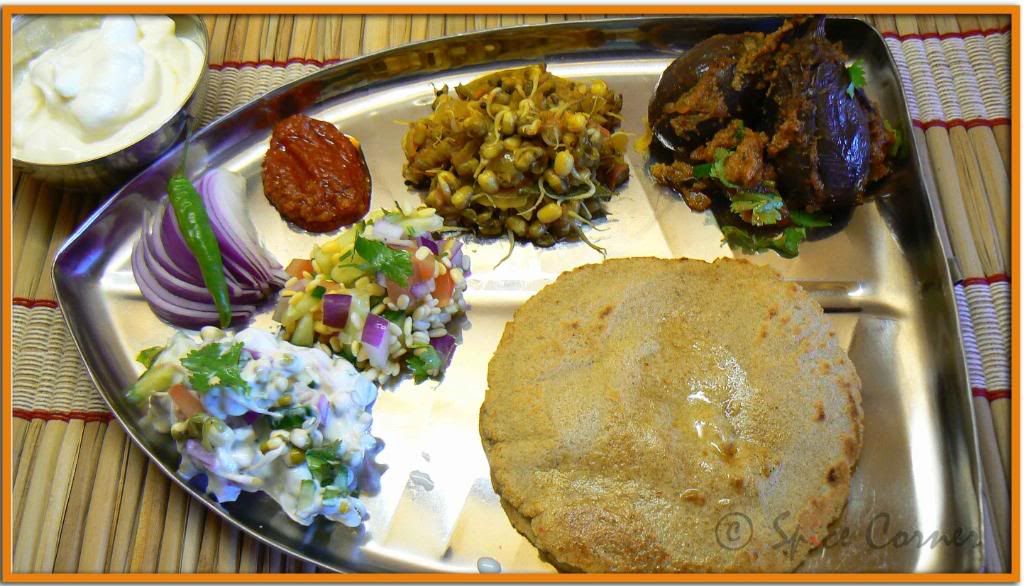
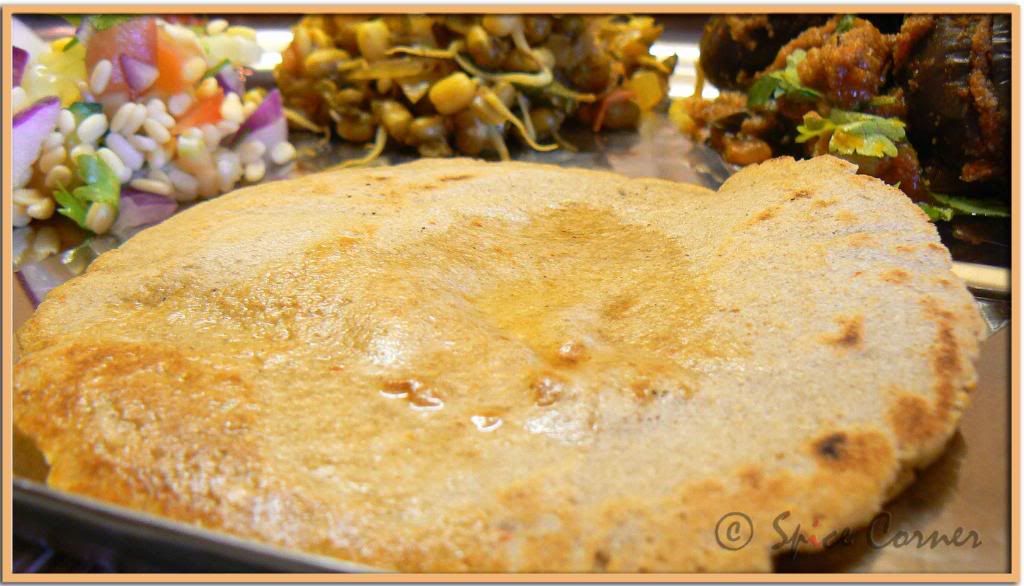
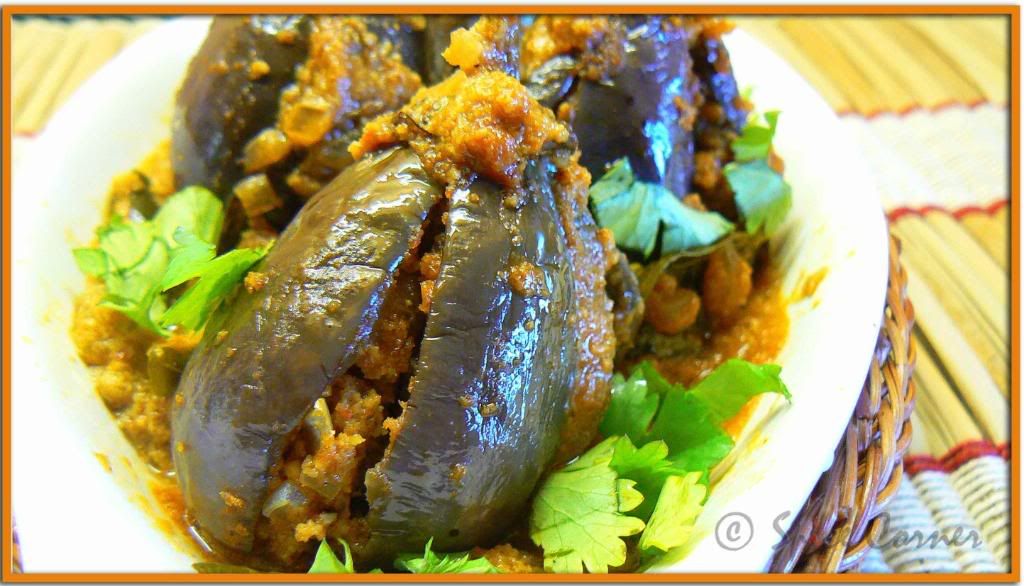
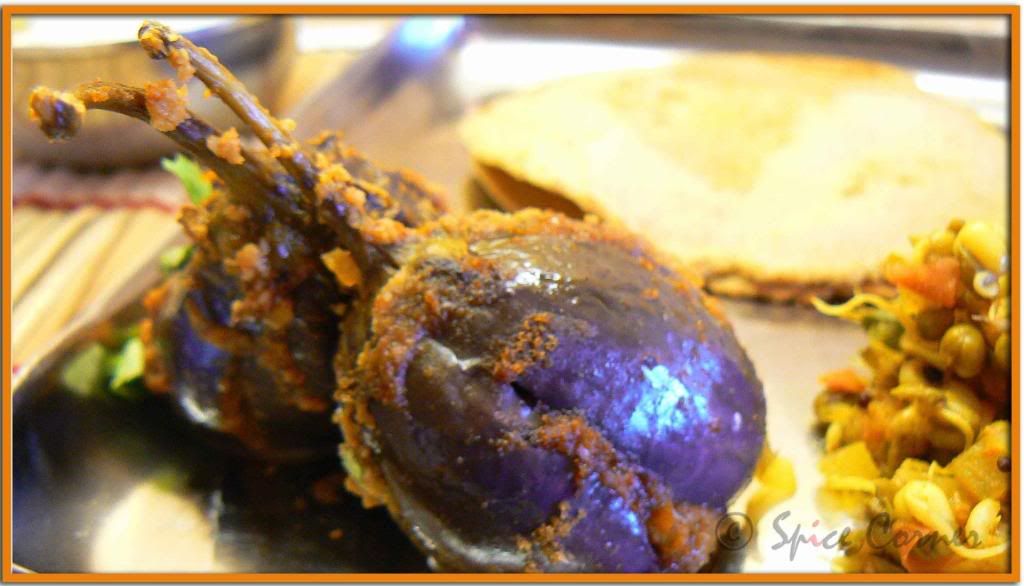
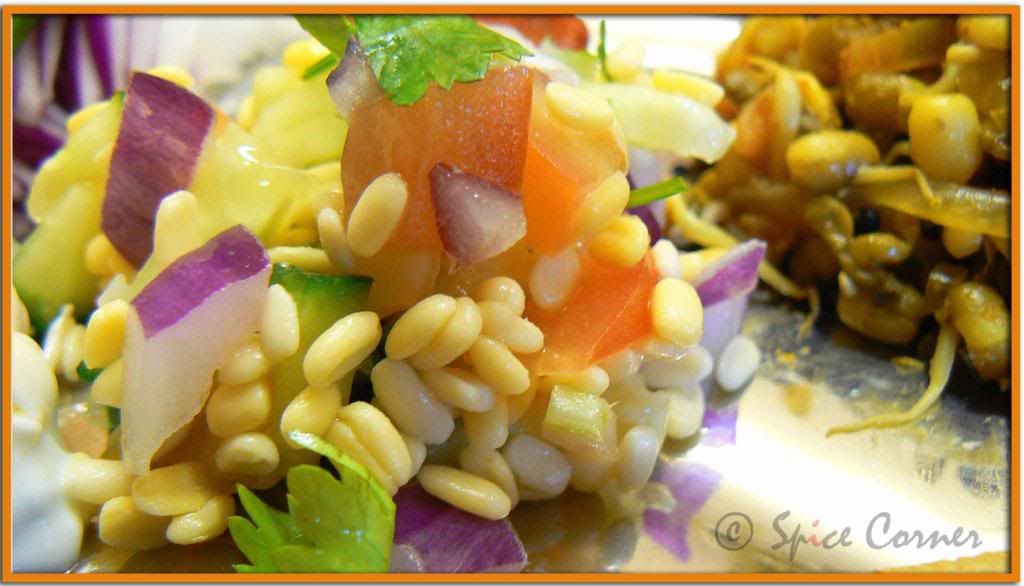
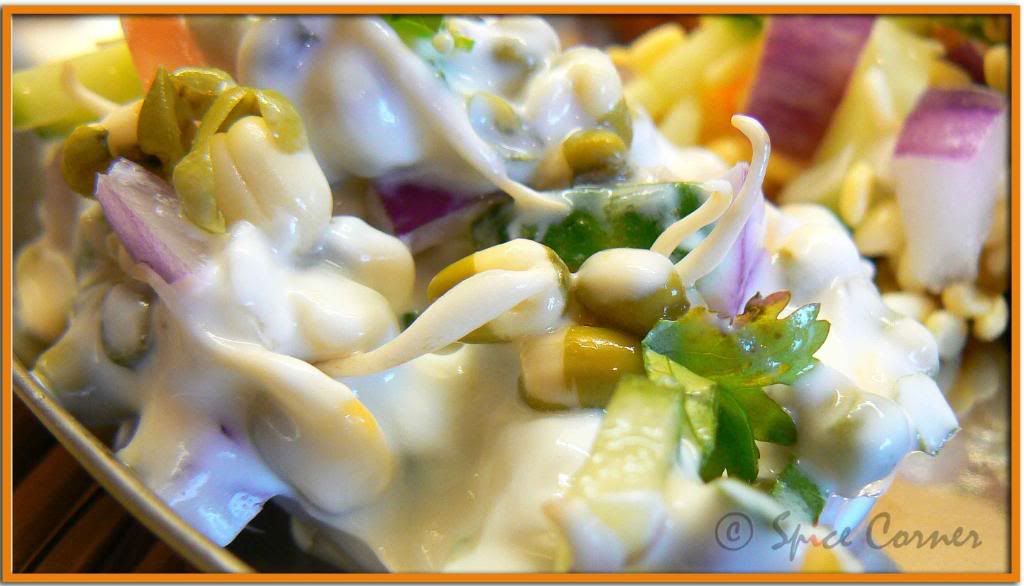
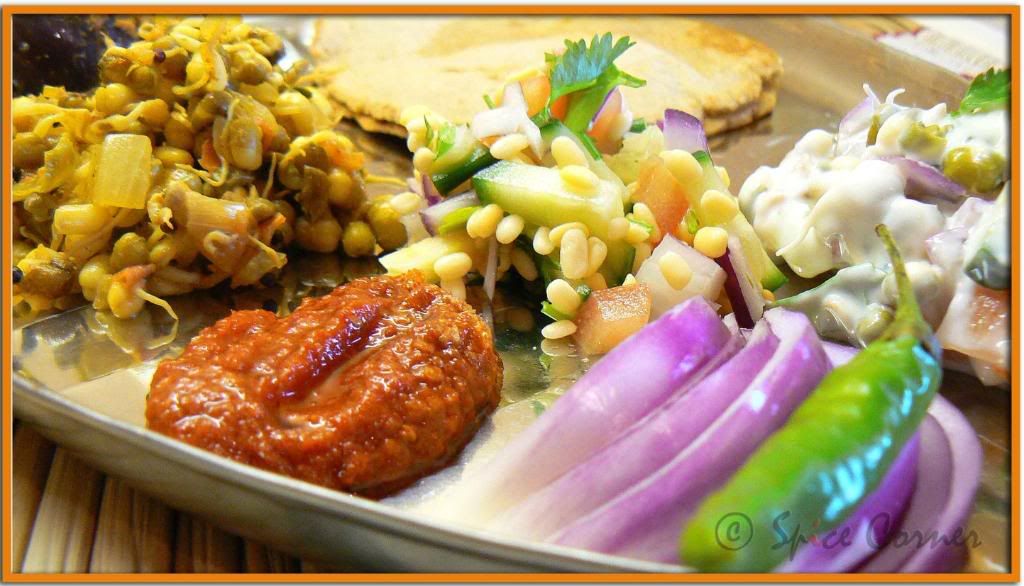
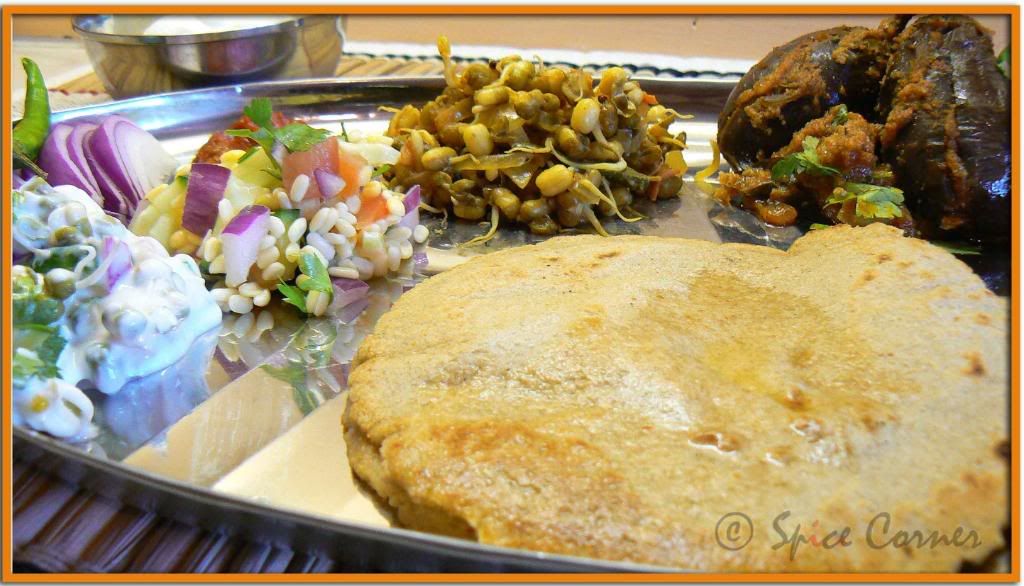
Dharwad Thali: (R-L) Jolada Rotti, Badane Ennegayi, Moong Sprouts Usli, Chilli-Garlic Chutney, Kosambari, Pachdi and bowl of homemade Yogurt

Title: Love at first bite!!!
Time: Sometime in early 2000
Location: Dharwad

A young girl, who was away from her home, family and all her childhood friends for the first time, was lying on her bed feeling miserable and homesick. It was more than 2 weeks since she had home cooked meals and was forced to eat bullet proof Chapattis with yellow water which was called as Dal (lentil curry) which made her crave more for Mom’s cooking. Just when she was on a verge of packing her bag and leaving her hostel for good, she heard a loud bang on door… Dud, dud…

Quickly wiping her tears away she opened the door and saw a girl who had ragged her just few days back. Yes, it was her senior, every fresher's nightmare, the one who made her measure the room with match stick, the same aweful senior who made her write a love letter to hostel watchman.

‘Oh God!!! What now??? Is she going to ask me to propose to watchman now???’
To her surprise, her senior smiled at her instead of staring with that big frown and the girl was confused if it was a good thing or bad. Senior asked her to get ready in few minutes and come with two other roommates to Senior’s room. All three fresher students were sure of the fact that it’s gonna be one of those ragging sessions and were emotinally prepared for it. But to their utter surprise six other seniors took them to one small restaurants tucked near National highway. The same seniors who had ragged them were paying for their dinner. Yes, for the first time Freshers realized that seniors can be Humans too… That was the first time when the girl felt she belonged to hostel, college and that was the first time when she felt she belonged to Dharwad, a home away from home for 4 years of her life…

You don’t get any price for guessing who that girl was ;) That was the first day I experienced the true taste of Dharwad cuisine and it was a love at first bite for me. The memory of that day is fresh and vivid till date. The restaurant was an open space and had around ten different small huts. Big cart wheels and trees separated one hut from another and gave it a sense of privacy. A large stone table was surrounded by bamboo stools and lanterns were lit to give it a rural home look. The waiters dressed in ethnic Dharwad attire wearing Dhoti and Peta, came with a fresh banana leaves and placed in front of us. First a pinch of salt on left hand side corner of leaf and then placed a red raw onion with green chilli and sliver of lime. Then followed fiery Chilli-Garlic Chutney with mild Peanut Chutney Powder. Then the leaf was adorned with roasted spicy Papad accompanied with Spiced Buttermilk. Just when our leaves started looking like artist’s color palette the attentive waiters placed Pachdi/Raita (a yogurt based raw vegetable salad), Kosambari (another lentil-vegetable salad), Moong sprouts Usli (simple stir fried sprouts), Soppina playa (a lentil dish paired with Greens like palak, dill or methi) and a small clay pot containing thick and sweet Yogurt. Then came the highlight of meal, fluffy, thin, feather light Jolada Rotti (Jowar roti) with a dollop of freshly churned homemade butter and finger-lickingly delicious Badane Yennegai, a curry made of stuffed baby eggplants. Greedily I dipped a rotti in yennegayi and put it into my mouth and taste of brinjal with coconut with different spices made me forget about everything. It was love at first bite, fiery, warm, sensuous, sinful, rustic and unforgettable… I lost the count of number of Rotties I ate but the memory still lingers, still fresh and aromatic :)


Here is my humble Dharwad Thali which I sincerely tried to recreate for this month’s RCI-Karnataka. Thanks to Ashakka and Lakshmi for giving me opportunity to indulge in my secret love affair with Dharwad cuisine after long time.

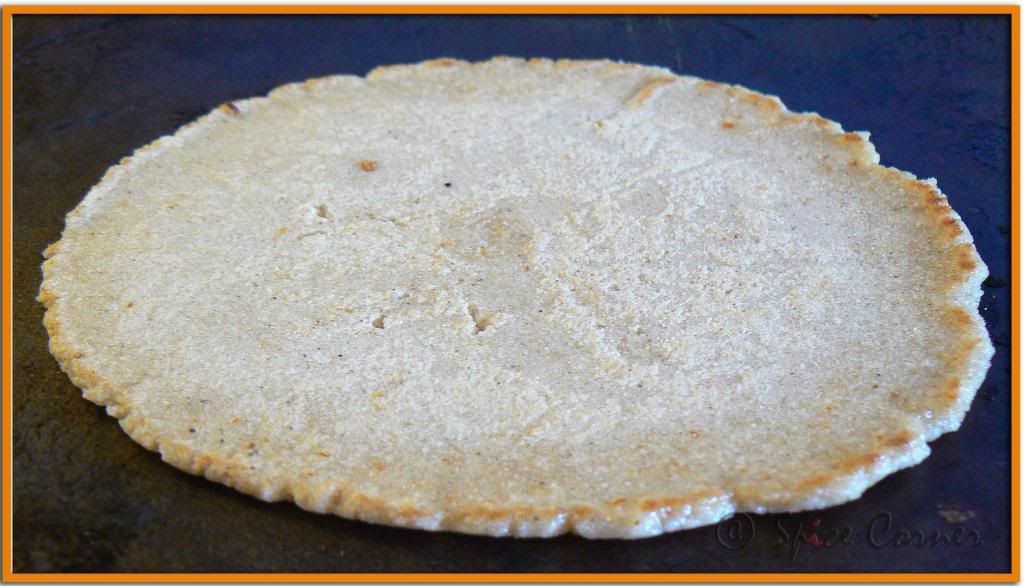
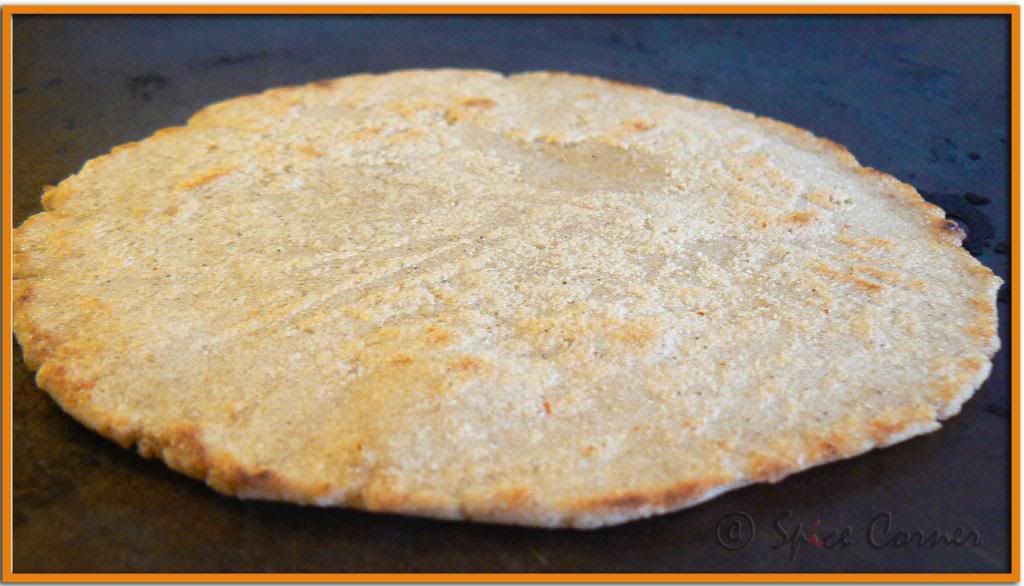
Jolada Rotti is very popular in North Karnataka which is a not just delicious to taste but also good source of nutrients. To make this roties, hands are used instead of rolling pin and are flattened to thin circles using palm. Making Jowar roti is not a child’s play. Experience, skill and patience is required to flatten the dough without breaking the roties and to get puffed roties. Its got the rustic look and unforgettable flavor…

Photo Sharing and Video Hosting at PhotobucketPhoto Sharing and Video Hosting at Photobucket
Jolada Rotti

Jolada Rotti (Jowar Flat Bread)
Prep Time: 15 mins
Cooking Time: 20 mins
Serves: 3-4

Ingredients:
2 cups Bajri/Jowar Flour
½ tsp Red Chilli Powder
Warm Water to knead
Salt to taste
Photo Sharing and Video Hosting at Photobucket
Jolada Rotti

Method:

Prepare dough by adding red chilli powder, salt to taste and by adding warm water gradually.
Let the dough rest for 15-20 minutes and again knead the dough well.
Divide dough into equal lemon sized balls.
Place the dough on flat surface dusted with generous amount of flour and using your palm spread the dough into flat, thin circle.
Carefully transfer this flat roti on hot iron griddle and roast this roti on medium heat. Gently press a wet cloth on the cooked surface of roti and turn it on other side.
Do the same with other side of the roti and cook until you see brown patches on the surface and the roti stats to puff well from centre.
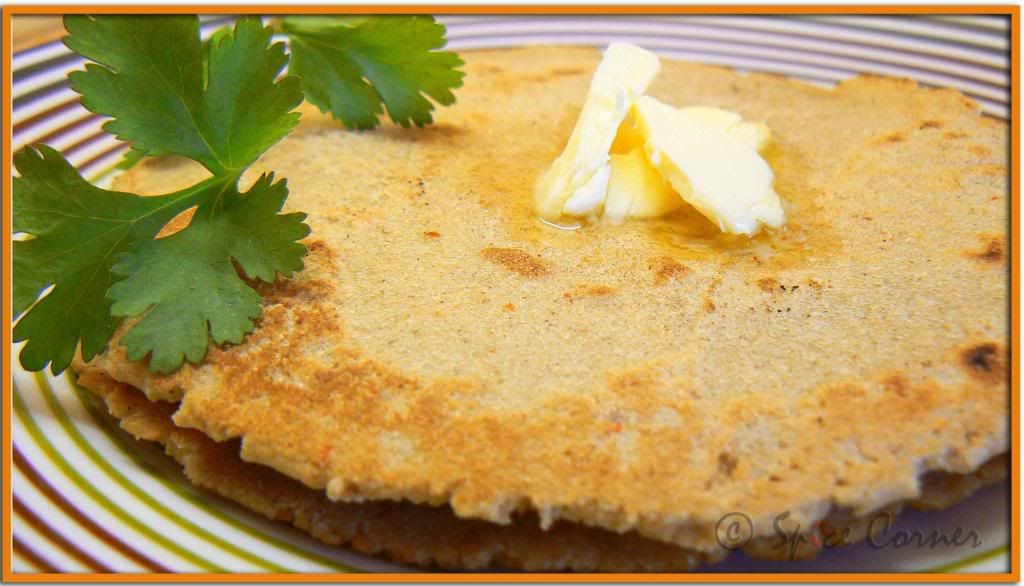
Serve the roti with any side dish of your choice with a dollop of freshly churned home made butter on top.

Photo Sharing and Video Hosting at Photobucket
Jolada Rotti


Tips:
As Jowar is glutton-free flour, practice and patience is needed to make unbroken, thin rotties. When making this for the first time, don’t press the roti into large circles as it will easily break while transferring into tawa. So make small palm sized rotties which are easy to transfer without breaking them.
Another simple technique which can be used while making jowar rotti is to press the ball keeping it in between parchment or greased plastic sheet and press it using flat surfaced vessel or plate. This way you can not only make thin rotties but also it can be easily transferred onto tawa.
Click here to check another variation of Jolada rotti from Spice Corner Archives where I have used Beetroots to give it extra flavour.

Badane Ennegayi is a popular dish in Karnataka and is a great accompaniment with Akki Rotti or Jolada Rotti. Desiccated coconut is ground with aromatic spices and stuffed in between baby brinjals and the tender eggplant when cooked defines new meaning to taste.

Photo Sharing and Video Hosting at Photobucket
Badane Ennegayi


Badane Ennegayi (Stuffed Brinjal/Eggplants)
Prep Time: 15-20 mins
Cooking Time: 15-20 mins
Serves: 3-4

Ingredients:
7-8 small Eggplants
1 tsp Jeera/Cumin Seeds
Few strings of Curry Leaves
2-3 tbsp Oil
¼ tsp Hing/Asafoetida

Masala for Stuffing:
1 large Onion, chopped very finely
1-2 tbsp Coriander Leaves, chopped finely
Grind to Paste:
½ cup Desiccated Coconut
2-3 tbsp Roasted Peanuts
1 tsp Coriander Seeds
½ tsp Cumin/Jeera Seeds
1 large marble sized Tamarind, soaked in warm water and juice extracted
¼ tsp Turmeric Powder
½ tsp Red Chilli Powder
1 tbsp Sambar Powder
1 tsp Kitchen King Masala (optional)
Salt to taste
Photo Sharing and Video Hosting at Photobucket
Badane Ennegayi

Method:
Grind coconut, coriander seeds, jeera, tamarind juice, peanuts, turmeric powder, red chilli powder, sambar powder, kitchen king masala and salt to taste to smooth thick paste (chutney consistency) by adding little water at time.
Mix this ground paste with finely chopped onion and coriander leaves and keep aside.
Make plus marked slits on baby eggplants keeping their stems.
Take about 1-1½ tbsp of masala and stuff it in slit baby eggplants.
Heat oil in heavy bottomed pan and add jeera, curry leaves and hing.
When jeera starts to pop and sputter place stuffed eggplants and arrange them in a pan.
Add remaining masala to the pan and reduce the heat to low. Add about 2-3 tbsp of water if needed.
Cover and cook the eggplants on low flame stirring in between so that masala don’t stick to the pan. Cook it for 15-20 minutes till eggplants are evenly cooked.
Serve hot with Jolada Rotti or Akki Rotti garnished with chopped coriander leaves and enjoy.

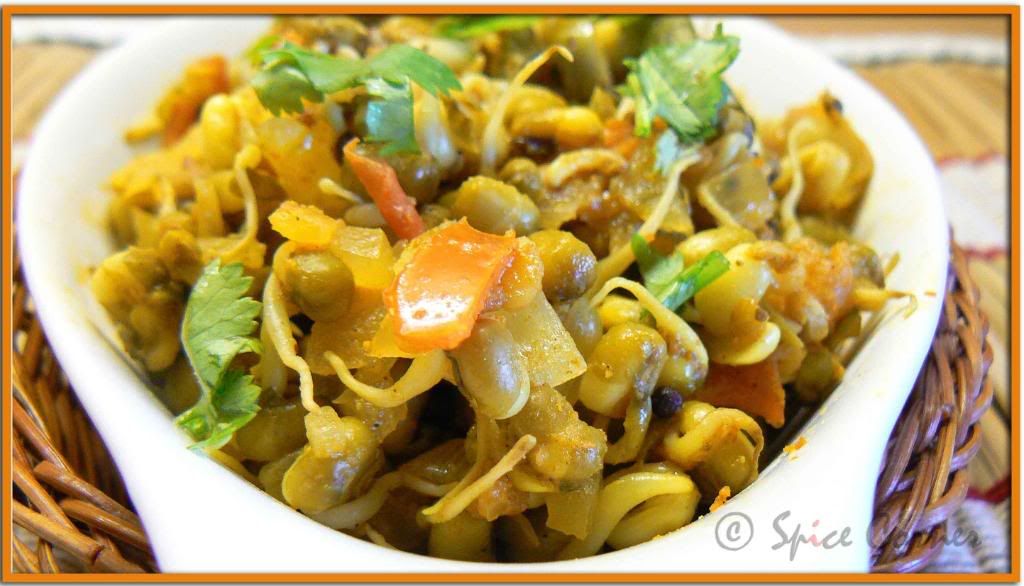
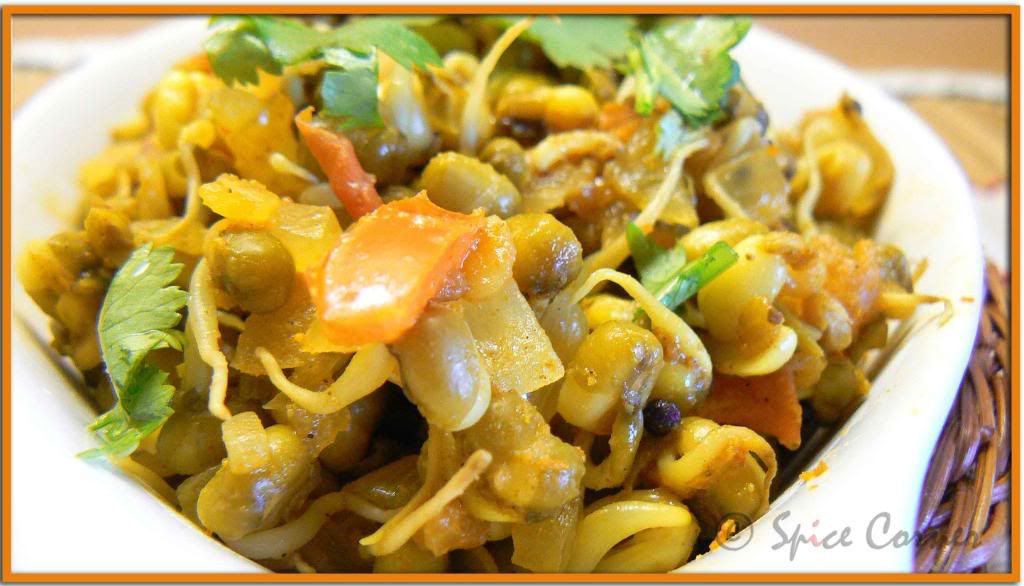
Usli, usually made using different sprouts available is high source of protein and can also be served as an evening snack. Tender moong sprouts and cooked with crunchy onion and tangy tomato and flavoured by freshly ground spices.

Photo Sharing and Video Hosting at Photobucket
Moong Sprouts Usli

Moong Sprouts Usli (Moong Sprouts Stir-fry)
Prep Time: 10 mins
Cooking Time: 10-15 mins
Serves: 3-4

Ingredients:
3 cups Moong Sprouts
1 small Onion, finely chopped
1 Tomato, finely chopped
2 Green Chillies, slit
½ tsp Ginger, finely chopped
½ tsp Turmeric Powder
½ tsp Coriander Powder
½ tsp Jeera Powder
½ tsp Red Chilli Powder
2 tbsp Lemon Juice
1 tsp Urad Dal
1 tsp Mustard Seeds
1 tsp Jeera/Cumin Seeds
¼ tsp Hing/Asafoetida
Few Curry Leaves
1 tbsp Oil
1-2 tbsp Coriander Leaves, finely chopped
Salt to taste
Photo Sharing and Video Hosting at Photobucket
Moong Sprouts Usli

Method:
Heat oil in a heavy bottomed pan and to this add urad dal, mustard seeds, jeera, hing and curry leaves.
When mustard seeds starts to pop and sputter, add finely chopped onion, ginger and slit green chillies.
Sauté it till onion turns translucent and add chopped tomato.
Sauté it for around 1 minute and then add turmeric powder, coriander powder, jeera powder, red chilli powder and stir in.
Now add moong sprouts, ¼ cup water and salt to taste. Cover and cook for 10 minutes till the sprouts are cooked but retain their shape.
Remove from heat and mix lemon juice and chopped coriander laves and serve hot with rice or roties.

Kosambari is popular south Indian dish usally prepared as Neivedyam during festivals(with no onion). It’s a light and healthy salad.

Photo Sharing and Video Hosting at Photobucket
Kosambari


Kosambari
Prep Time: 10 mins (Excluding soaking time)
Cooking Time: -
Serves: 3-4

Ingredients:
¼ cup Split Moong Dal
1 small Carrot, peeled and grated
½ Red Onion, finely chopped
1 Tomato, finely chopped
¼ Cucumber, finely chopped
1 tbsp Lemon Juice
1 tbsp Coriander Leaves, finely chopped
Salt to taste
Method:
Soak split moong dal in water for about 1-2 hours and drain.
Mix all the ingredients and serve garnished with chopped coriander leaves.

Every south Indian meals end with a serving of Curd/Yogurt. Raita is made using yogurt, different vegetables, usually raw vegetables, and is seasoned with tempering of mustard and curry leaves.

Photo Sharing and Video Hosting at Photobucket
Sprouted Moong Pachdi/Raita


Sprouted Moong Pachdi/Raita
Prep Time: 5 mins
Cooking Time: -
Serves: 3-4

Ingredients:
½ cup Moong Sprouts
½ Red Onion, finely chopped
1 small Tomato, finely chopped
2 cups Yogurt
1 tbsp Coriander Leaves, finely chopped
Salt to taste
Method:
Beat the yogurt removing all lumps and add all the ingredients and mix well.
Chill before serving with Roti and rice.

Chilli-garlic chutney is a speciality of Dharwad meals which uses the chiili called Byadgi Chilli. It gives a fiery red colour to any dish when used. Check here for more details on Byadgi chillies.

Photo Sharing and Video Hosting at Photobucket
Chilli-Garlic Chutney


Chilli-Garlic Chutney
Prep Time: 10-15 mins
Cooking Time: -
Serves: 3-4
Ingredients:
4-5 Dry Red Chillies, preferably Byadgi
2-3 large Garlic flakes
1 tsp Rock Salt
1 tsp Oil
Method:
Soak dry red chillies in warm water for 10 minutes and drain.
Using mortar and pestle crush all the ingredients into smooth paste and serve with Jolada Rotti and curd rice.

Photo Sharing and Video Hosting at Photobucket
Jolada Rotti Oota


Update:
A good blog buddy of mine Meena of Memories from Mom's Kitchen is running the Portland Marathon this year to raise funds for AID (Association of India’s Development) which is a non-profit organisation in India.


As Meena says,

"AID has been working to eliminate grass root problems in India for many years now. We have seen that the effort brings about remarkable changes in people’s life and gives them hope for a better future. To continue the good work, we need support from every one of you. It would mean a lot to me if you can please visit my Marathon Fundraising Page and show your support. Every small contribution from your side is going to bring about a major change to someone's life. I hope to get all the support I need to raise this money from my fellow bloggers, friends and family. The actual marathon date is on Oct. 7th. You can also find weekly updates about my run on the fundraising page.
"

Please do visit her Marathon Fundraising Page and show your support for this noble cause. Spread the word around by posting about “Run for India… Every mile for a smile” in your blog… Run Meena, we are all with you…

Continue Reading...


Wednesday, 5 September 2007

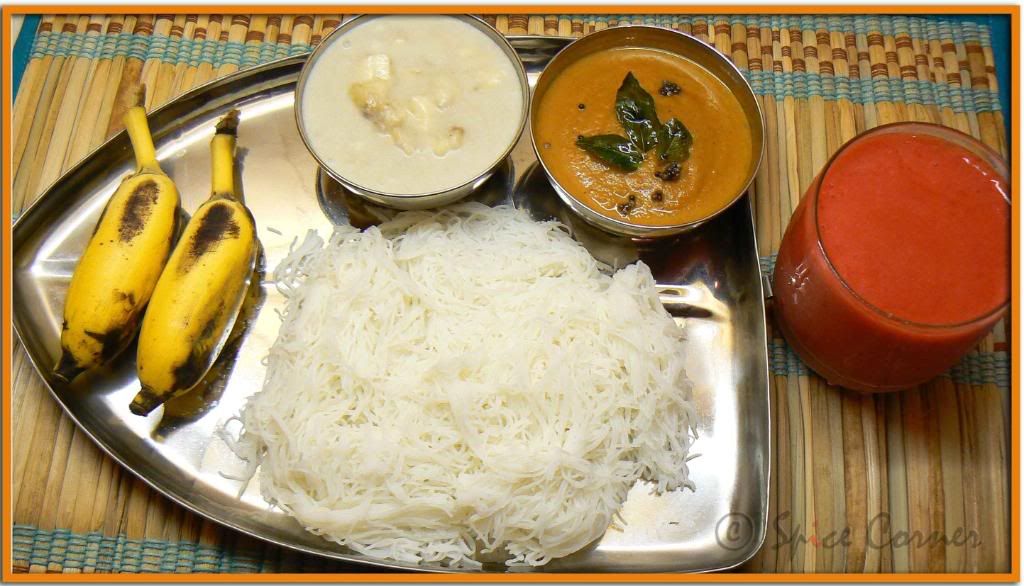
Akki Shavige with Rasayana & Menthe Chutney

Photo Sharing and Video Hosting at Photobucket
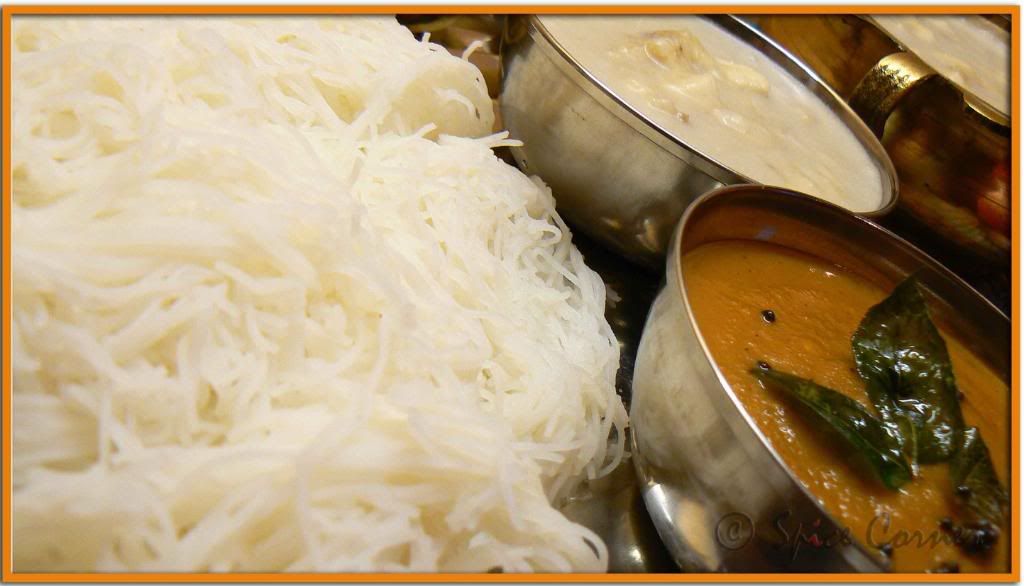
Akki Shavige with Rasayana & Menthe Chutney

She was sleeping soundly, smiling in her sleep while she dreamt of chasing colourful butterflies in garden. When the persistent sun shone brightly on her face, little girl with pigtails sighed and snuggled back under the covers, blissfully embracing slumber. The mild caress of heavenly aroma coming from kitchen nudged her gently to open her heavy eyelids. Dragging her feet on cool marble floor with her favourite doll tucked under one arm and blinking her eyes to the golden glow of sunshine streaming from high ventilator and windows, she blissfully inhaled the wonderful aroma of ground coffee beans and spices. The sight of her mother with long hair tied in a loose knot adorned with pearls of water, standing in kitchen stirred the feeling of love and happiness. She ran and hugged her mother inhaling the heady perfume of her herbal soap and shampoo. Mother gently lifted her daughter planting kisses on her daughter’s blushed chubby cheeks and placed her away from heat, close to window where she could see the world waking up to the glorious sunshine. As her mother churned delicious food in lightening speed, little girl watched her dad entering the kitchen with special device to make one of her favourite food. As her dad and mom smiled at each other knowingly, little girl sat on the floor cross legged with a twinkle in her eyes as she watched her dad rotate the noodles presser which turned the steaming rice dough into thin, stringy white noodles. She smiled brightly at her parents looking over the food, simple home food, food that made her happy and content.

Yes, I am talking about my favourite breakfast item, Rice Semige/Shavige. Also known as Sevai or Santhakai in Tamil and Idiappam or Noolappam in Malayalam, Shavige is made from rice and coconut in my native Mangalore and it is usually served with sweetened coconut milk and spicy chutney or sambar. This was the only time when my mother would allow my dad to help her in kitchen as it required an extra pair of helping hand to make these stringy rice noodles. While my mom inserted the steaming balls of rice dough in the Sevai container and rotated the plate kept under the container collecting Shavige, dad would quickly rotate the sturdy handle in clock-wise direction. This Shavige Presser although might look like something out of medieval torture device to some people is a must device in every house-hold in Mangalore. Back in my Ajji’s house she had wooden Shavige Presser which looks quite different to what we have now. Instead of rotating the handle, the wooden one would press down the dough like hand water pumps in rural India. Unlike my Ajji and Amma, I use simple Chakkli Presser to make Shavige. Chakkli presser works fine for two growling tummies and moreover it’s quite easy to clean. But I must add that rotating Shavige Presser is equlivalent to working out those muscles in gym, so will not get enough of arm exercise when using Chakkli press ;)


Akki Shavige with Menthe/Methi Chutney and Baale Hannu Rasayana is my contribution to this month’s RCI-Karnataka hosted by our blog queen Asha of Foodie’s Hope and also to this month’s JFI-Banana hosted by lovely Mandira of Ahaar.


Akki Shavige (Rice Noodles)
Prep Time: 30 mins (excluding soaking time)
Cooking Time: 20 mins
Serves: 2-3

Ingredients:
1 cup Rice
1 cup Fresh/Frozen Coconut
2 tbsp Oil, preferably Coconut Oil
Salt to taste
Photo Sharing and Video Hosting at Photobucket
Akki Shavige

Method:
Wash and soak rice in 2 cups of water for 4-5 hours or overnight.
Drain and grind this rice with grated coconut and salt to taste adding little water at a time to very smooth paste. Note that there shouldn’t be any lumps and the paste should be silky smooth. Usually my Ajji and Amma make very thin batter of buttermilk consistency but I grind it to Dosa batter consistency which works fine for me.
Apply coconut oil to heavy bottomed kadai/wok covering it well. Pour the batter in this wok and keep mixing this batter in medium flame till all the water evaporates and it turns to a thick lump of dough.
Switch off the gas and start making big lemon sized balls by applying little cold water to stop it from sticking to your hand.
Steam cook these rice balls in a steamer or pressure cooker without putting its weight for about 10 minutes.
Place two steaming rice balls in Shavige presser or Chakkli maker and press the noodles. Place these noodles in a banana leaf or wet cloth and let it cool. This noodle needs to be cooled down to hold their shape. Serve these noodles with Chutney, sweetened Coconut Milk or Sambar. You can also make Tamarind or Lemon Rice Noodles with the leftovers.
Check Shilpa or Aayi's Recipes and Manjula of Dalitoy's recipes for Shavige where they use Shavige Press here and here. And also check here for Viji of Vcuisine's recipe for Vella, Lemon and Ulundhu Sevai using Chakkli Press.

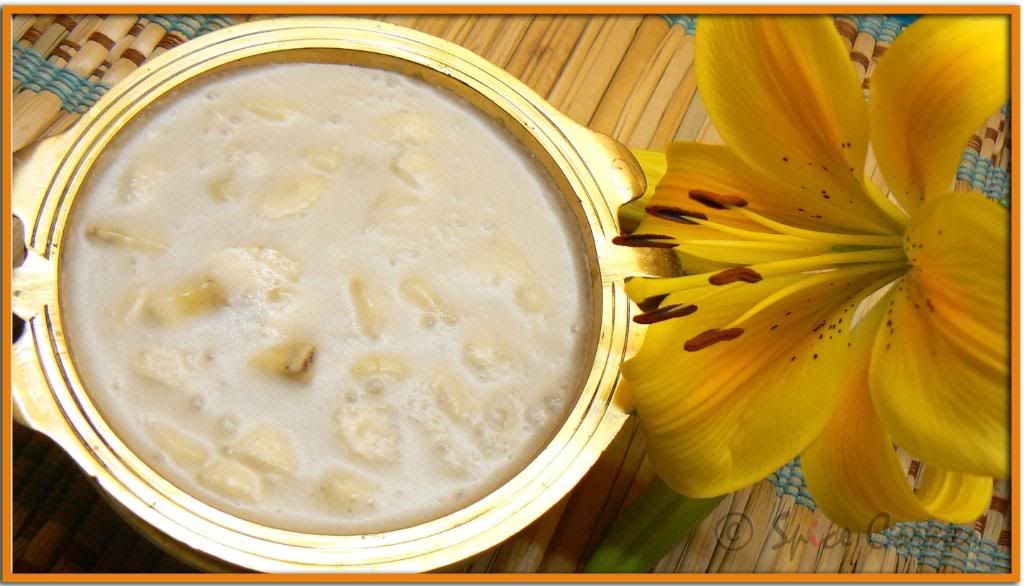
My Ajji and Amma usually served Akki Shavige with Sweetened Coconut Milk or Rasayana and Menthe Chutney. Rasayana (Rasa means Juice/essence/flavour/taste in Sanskrit) is basically a sweetened coconut milk mixed with chopped Bananas or Mangoes depending on seasonal availability of fruits. Freshly extracted Coconut milk is flavoured with Jaggery and pinch of Cardamom and made wholesome by adding chopped bananas or mangoes.


Rasayana (Banana in Sweetened Coconut Milk)
Prep Time: 20-25 mins
Cooking Time: -
Serves: 2-3

Ingredients:
1 cup Bananas, quartered and sliced
1½ cup freshly extracted Coconut Milk (big no-no to Canned Coconut milk)
1-2 tbsp grated Jaggery, adjust according to taste
2 Green Cardamoms, skins removed and seeds crushed
1 tsp roasted Sesame Seeds (Optional)
Small pinch of Salt


Photo Sharing and Video Hosting at Photobucket
Rasayana

Method:
Dissolve grated Jaggery in coconut milk and mix all the ingredients.
Serve cold with Akki Shavige or drink as it is.


Variation:
You can use ripe sweet mango in place of bananas.
Replace coconut milk with milk and add 2-3 tbsp of banana or mango puree to give it thick base.


Photo Sharing and Video Hosting at Photobucket
Akki Shavige with Rasayana & Menthe Chutney

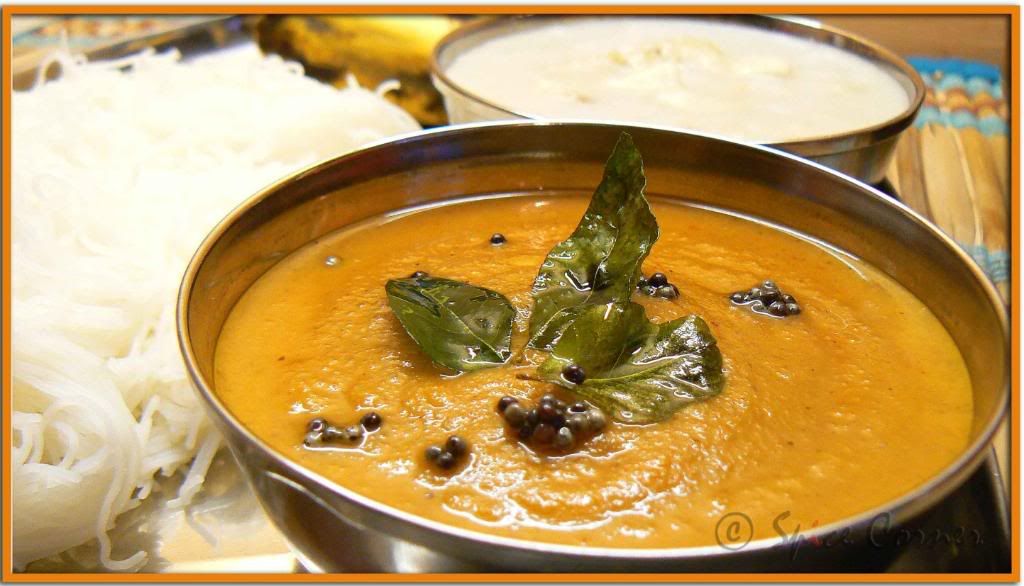
Methi/Fenugreek seeds are one of the most importance spices in Mangalorean cuisine. My Ajji would soak few methi seeds in buttermilk and make us drink after heavy meals as methi is good for digestion. Read more about benefits of Methi here and here. Menthe Chutney is one dish which is full of different flavours. Bitter methi is ground with creamy coconut and spicy chilli and then cooked with dash of jaggery to give it little sweet flavour.


Menthe Chuteny (Methi Seeds Chuteny)
Prep Time: 10 mins
Cooking Time: 10-15 mins
Serves: 2-3

Ingredients:
1 tsp Methi/Fenugreek Seeds
1 cup grated Fresh/Frozen Coconut
3-4 Dry Red Chillies
1-2 tbsp Jaggery, adjust acc to taste
1 tsp Oil
1 tsp Mustard Seeds
Few Curry Leaves
Pinch of Hing/Asafoetida
Salt to taste
Photo Sharing and Video Hosting at Photobucket
Menthe Chutney

Method:
Dry roast methi and broken red chillies in a pan for around 1 minute till you get nice aroma of roasted methi.
Grind sautéed spices with coconut adding little water at a time to smooth paste.
Heat oil in a pan and add mustard, hing and curry leaves.
Once mustard starts to pop and sputter, add ground paste, jaggery, salt to taste and ½ cup of water.
Cook it on a low flame for 10-15 minutes stirring in between. Serve hot with steamed rice or akki shavige.

Continue Reading...


Monday, 16 July 2007

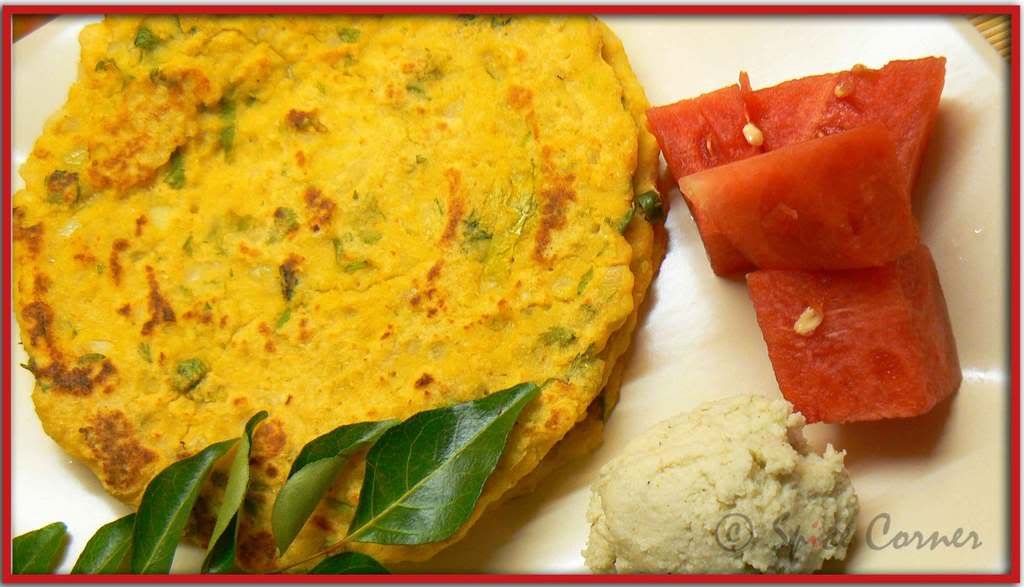
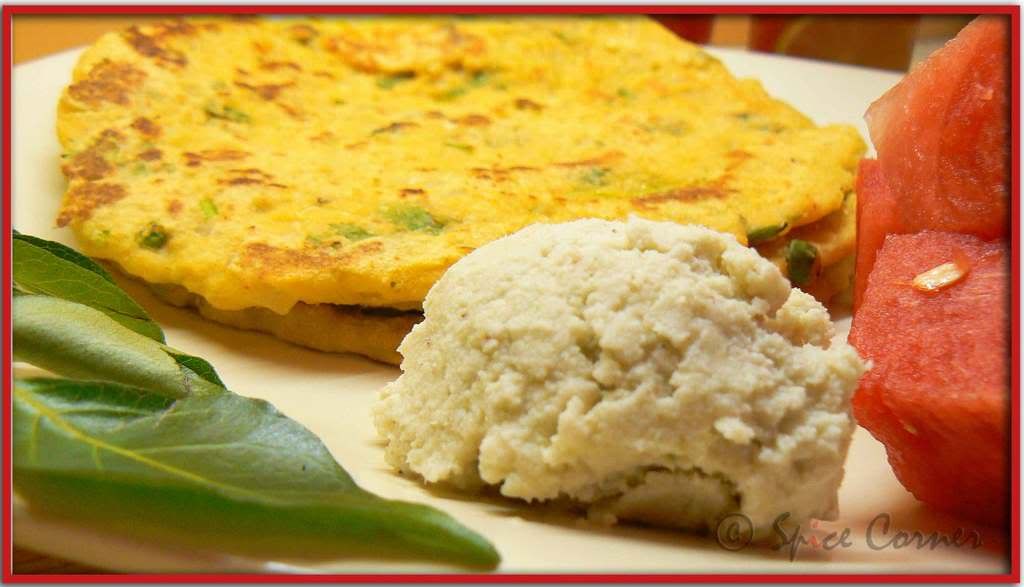
Watermelon Rind Dosa with Ginger-Coconut Chuteny

Watermelon, watermelon,
On the vine, on the vine,

Green and ripe and juicy,

Green and ripe and juicy

Please be mine,

Please be mine.


Summer and watermelons… Like many (grown up;) kids, I too have fond memories of eating a big crescent of watermelon greedily after playing outside in blazing hot sun, just plain or sprinkled with little salt or dipped in honey. It was dad’s department when it came to buying a huuuuuuuuge watermelon and cut it into big equal sized slices so that we kids don’t get any chance to argue as who got the big chunk of watermelon :) Red and juicy watermelon dotted with slippery and oval black seeds covered with green and white striped skin was one among favourite fruits of mine. Who can forget seed-spitting competition as who would spit the seeds as far as we could and the fear and panic when our elders would tease us saying swallowing these seeds would result in a watermelon plant growing in our tummy:)
When it comes to food, I have one more fond watermelon memory. Once we kids had our fill of watermelon my dad would cut the watermelon into small pieces and store it in refrigerator for late morning snacking and mom would collect all thick skin to make delicious Dosa. My sister and brother preferred sweet watermelon dosa prepared adding grated jaggery ground with rice and white part of watermelon pieces. The spicy version of dosa prepared adding dry red chillies and aromatic cumin and coriander seeds were my and my dad’s favourite.
When Bee and Jai chose Watermelon for this month’s AFAM which is a brainchild of Maheshwari, I knew what I wanted to contribute without any hitch and hesitation or confusion which I usually have whenever I participate in food events. Watermelon Dosa might sound bit unusual to most of readers but you have to try it to know how tasty and delicious it is and how quick and simple it is to make. Unlike many dosa recipes, water melon dosa doesn’t need any fermentation process. Addition of coriander and cumin seeds with dry red chillies takes it to another level of taste. The peel left after eating the red part of watermelon is used to make this dosa. The outermost green part is peeled and only the remaining white part is used to make this dosa. Cut these white parts into small pieces and grind them with rice and other spices to make batter.
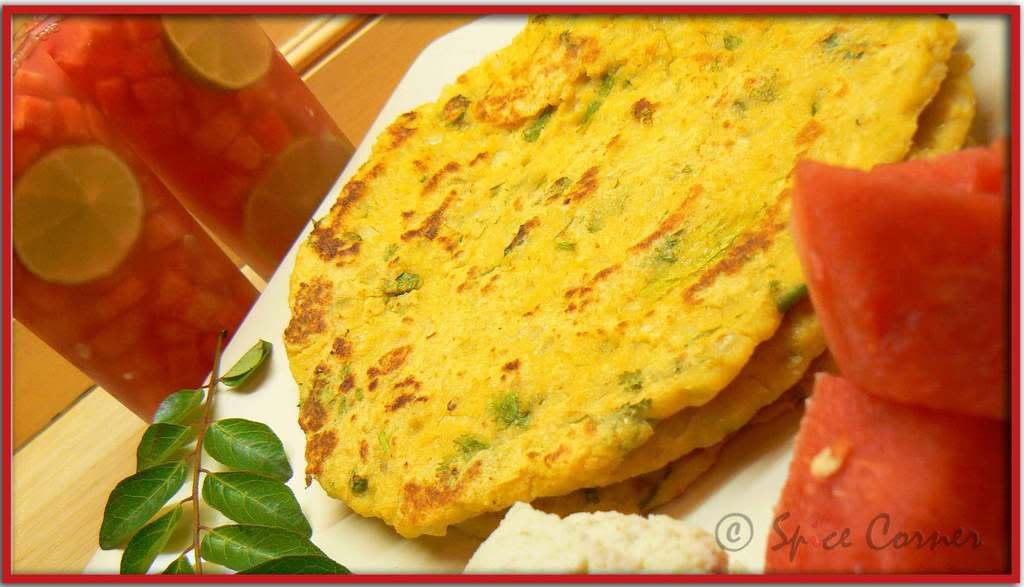

Photo Sharing and Video Hosting at Photobucket
Watermelon Rind Dosa with Ginger-Coconut Chuteny and Watermelon Lemonade


Watermelon Rind Dosa
Prep Time: 10-15 mins (excluding soaking time)
Cooking Time: 15-20 mins
Serves: 3-4
Ingredients:
1 cup Rice
3-4 cups Watermelon rind, chopped-only the white part as mentioned above
½ cup Fresh/frozen Coconut
3-4 Dry Red Chillies, according to taste
½ tbsp Coriander Seeds
1 tsp Jeera/Cumin Seeds
1 small Onion, chopped finely
2 Green Chillies, chopped finely
2-3 tbsp Coriander Leaves, chopped
Few Curry Leaves, chopped
Salt to taste

Photo Sharing and Video Hosting at Photobucket
Watermelon Rind Dosa with Ginger-Coconut Chuteny

Method:
Soak rice in warm water for at least 2 hours and drain water completely.
Grind coconut, rice, red chillies, coriander seeds, cumin seeds, salt to taste and about 3 cups of chopped watermelon rinds without adding any water. If the batter is too thick add little more watermelon rinds and grind. The batter should be little thinner than Idli batter consistency.
Now add finely chopped onion, green chilli, coriander and curry leaves to the batter and mix well. Keep this aside for about 15 minutes so that all the flavours blend well.
Heat tawa/griddle and pour a ladle full of batter in the centre. Using back of ladle spread this into thick circle.
Cook both the sides in medium-low heat till they turn golden brown by applying little oil or ghee if desired.
Serve hot with Chutney or Sambar or with honey.

I love my plate of watermelon dosa with honey and Ginger-Coconut Chutney. Here is the simple recipe for making Ginger-Coconut Chutney.


Ginger-Coconut Chutney
Prep Time: 5 mins
Cooking Time: -
Serves: 3-4
Ingredients:
1 cup Fresh/Frozen Coconut
¾ inch Ginger
2 Green Chillies
1 marble sized Tamarind
Salt to taste

Method:
Grind all the above ingredients adding little water (about ¾ cups of water) at a time to a smooth paste and serve with Dosas or Idlies.

Photo Sharing and Video Hosting at Photobucket
Watermelon Rind Dosa with Ginger-Coconut Chuteny


Did You Know?
Every part of a watermelon is edible, even the seeds and rinds.
Watermelon is grown in over 96 countries worldwide.
In China and Japan watermelon is a popular gift to bring a host.
In Israel and Egypt, the sweet taste of watermelon is often paired with the salty taste of feta cheese.
Watermelon is 92% water.
Watermelon's official name is Citrullus lanatus of the botanical family Curcurbitacae and it is a vegetable! It is related to cucumbers, pumpkins and squash.
A watermelon was once thrown at Roman Governor Demosthenes during a political debate. Placing the watermelon upon his head, he thanked the thrower for providing him with a helmet to wear as he fought Philip of Macedonia.
Watermelon is an ideal health food because it doesn't contain any fat or cholesterol, is an excellent source of vitamins A, B6 and C, and contains fiber and potassium.
The first recorded watermelon harvest occurred nearly 5,000 years ago in Egypt.
The word "watermelon" first appeared in the English dictionary in 1615.
(Source: www.mrspohlmeyerskinderpage.com)
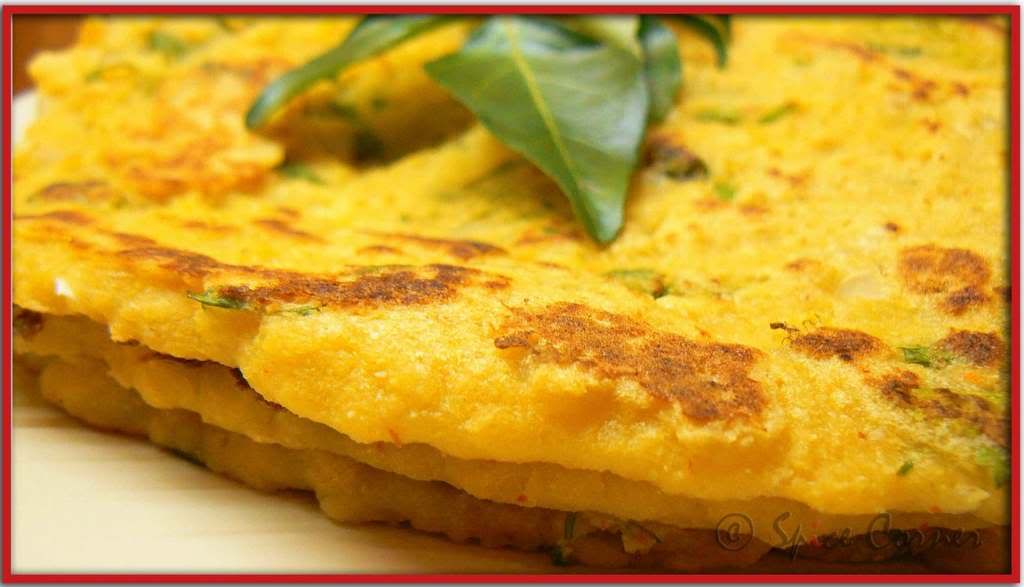

Photo Sharing and Video Hosting at Photobucket
Watermelon Rind Dosa
Continue Reading...


Monday, 7 May 2007

Jackfruit Idli with Mango Chuteny

Jackfruit… There is something about jackfruit which fascinates me all the time. The huge spiky hard exterior which contains sweet golden yellow sheaths has always been one of my favorite fruits. I remember the days when my sister, brother and myself would always find some reason to stay away from volunteering to pare and seed the jackfruit. Once the sticky glue was removed and the golden flesh is separated, we kids would happily go and sit cross legged on the floor next to the big cane basket which would be filled with sweet jackfruits and happily eat one after the other. Amma would sit there peeling sheaths of fruit and tell us her childhood memories where she with her sisters and brothers and some dozens of cousins would gather and have fun while peeling jackfruit from its sticky sheaths and burn the jackfruit seeds in open fire. Although I am lucky to have many cousins, it is no where close to what my parents have. I can very well imagine the fun my parents had while growing up with their siblings and cousins in a large joint family.
My amma makes many dishes using both raw and ripe jackfruits. Apart from Kodhel(coconut based sambar from Mangalore), Majjige Huli(buttermilk based) and Playa(stir fried vegetables) the raw jackfruit is used in preparing pakodas and also they were preserved in salt water to make Rotti, Playa and Sambar and also a crunchy munchy called Undla Kalu. the ripe jackfruit is used to make Kottige(steam cooked rice cake using banana leaves), Payasa, Berati (Jackfruit Jam) and Papads. The seeds of the jackfruits were used in Palya and Laddu.
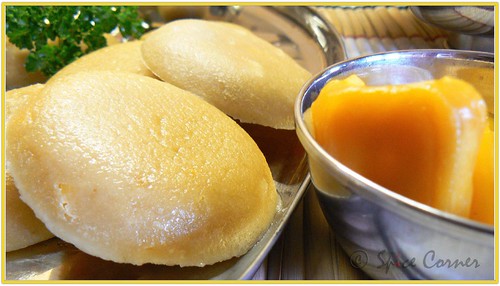
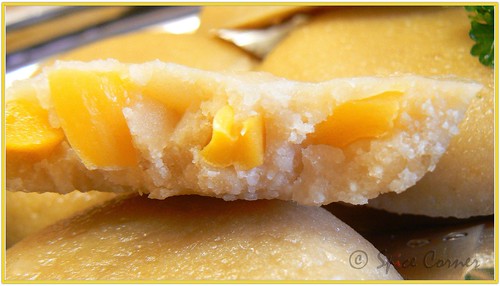
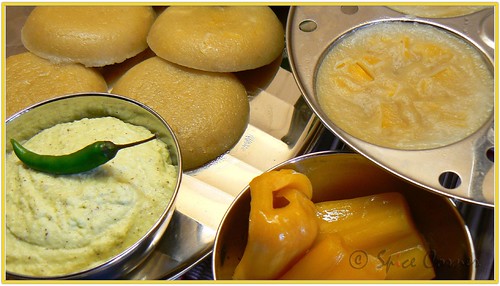
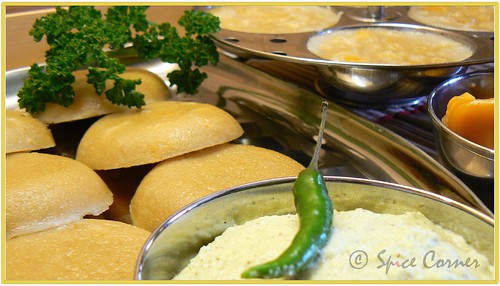
First when I heard about this months Jhiva ingredient I wanted to make traditional, authentic Mangalorean dish called Kottige/Kadubu which is very similar to Genasale, steam cooked rice cake with coconut and jaggery. I couldn’t find any banana leaves here and was not feeling very adventurous to use aluminum foil in place of them. So ended up making Jackfruit Idli. I used same ingredients used to make Jackfruit Kottige and steam cooked them in Idli stand. Served these sweet idilies with sour and spicy Raw Mango Chutney. Here is my entry for this month’s JFI-Jackfruit which is hosted by daring and darling couple Jai and Bee of Jugalbandi fame. I am contributing the recipe of Mango chuteny for this month's AFAM-Mango which is hosted by lovely Deepa of Recipes 'n More. Thank you Ashakka for reminding me:)

jackfruit idli13
Jackfruit Idli with Mango Chuteny


Jackfruit/Halasina Hannu Idli
Prep Time: 15-20 mins (excluding soaking time)
Cooking Time: 20-25 mins
Serves: 4-5
Ingredients:
2 cups Rice
2 cups Jackfruit, cut into small pieces
½ cup grated Coconut
½-¾ cup Jaggery (Acc to taste)
¼ tsp Cardamom Powder (Optional)
¼ tsp Cooking Soda
½ tsp Salt

jackfruit idli4

Jackfruit Idli with Mango Chuteny

Method:
Soak rice in water for 1-2 hours or overnight.
Grind the rice with freshly grated coconut, salt, cooking soda and jaggery to smooth paste. The paste should be of dosa batter consistency.
To this add chopped jackfruit and cardamom powder and mix well.
Now either you can steam cook using banana leaves or using Idli stand. If you are using banana leaves follow the steps showed for Genasale.
If you are using idli stand, grease the idli plate with oil/ghee and pour a ladle full of batter and steam cook them in pressure cooker for 10-15 minutes.
Let it cool for few minutes before serving the idlis with spicy mango chutney and ghee.

jackfruit idli1

A closer look at Jackfruit Idli

Best side dish for these Jackfruit Idli is spicy and tangy Raw Mango Chutney. It's a marriage made in heaven. Here is the recipe for making Mango Chuteny.


Mango Chutney
Prep Time: 5-10 mins
Cooking Time: -
Serves: 3-4
Ingredients:
1 small Raw Mango
1 tsp Mustard Seeds, lightly roasted
2-3 Green Chillies
½ inch Ginger
1 cup Grated Coconut
Salt to taste

jackfruit idli15

Mango Chuteny
Method:
Peel the mango discarding its pit and cut it into chunks.
Combine all the ingredients and grind it to smooth paste.
You can add more chillies if you prefer very spicy chutney to go with sweet Jackfruit Idli.

jackfruit idli12

Jackfruit Idli with Mango Chuteny


Did You Know?

The jackfruit is believed indigenous to the rain forests of the Western Ghats of India.
Male and female flowers are borne in separate flower-heads.
Jackfruit is the largest tree-borne fruit in the world, reaching 80 pounds in weight and up to 36 inches long and 20 inches in diameter.
There may be 100 or up to 500 seeds in a single fruit, which are viable for no more than three or four days.
There are two main varieties. In one, the fruits have small, fibrous, soft, mushy, but very sweet carpels with a texture somewhat akin to a raw oysters. The other variety is crisp and almost crunchy though not quite as sweet. This form is the more important commercially and is more palatable to western tastes.
(Source:www.crfg.org)

jackfruit idli9

Jackfruit Idli with Mango Chuteny

See the picture here which I got from Kamat’s Potpouri where the members of joint family are seen cleaning the jackfruit.

6070


Continue Reading...


Monday, 26 February 2007

Akki Rotti with Coriander Chutney

Akki Rotti is one of my favourite breakfast/brunch items. It’s a power house of nutrition and flavours. There are many recipes and methods of making akki rotties and this is my all time favourite recipe from my Amma. This recipe comes to my rescue when all I can think of is having some delicious and tasty food without spending too much time in kitchen. It is not just simple and easy to prepare but tastes really good with or without any side dish. You can make it spicy or mild, with or without vegetables. But after many pros and cons, trials and tests I have figured out my Amma’s recipe as a winner:)

Akki Rotti with Coriander Chutney


Akki Rotti
Prep Time: 15 mins
Cooking Time: 15-20 mins
Serves: 3-5
Ingredients:
3 cups Rice Flour
1 large Onion, finely chopped
1 Carrot, finely grated
2-3 Green Chillies, finely chopped
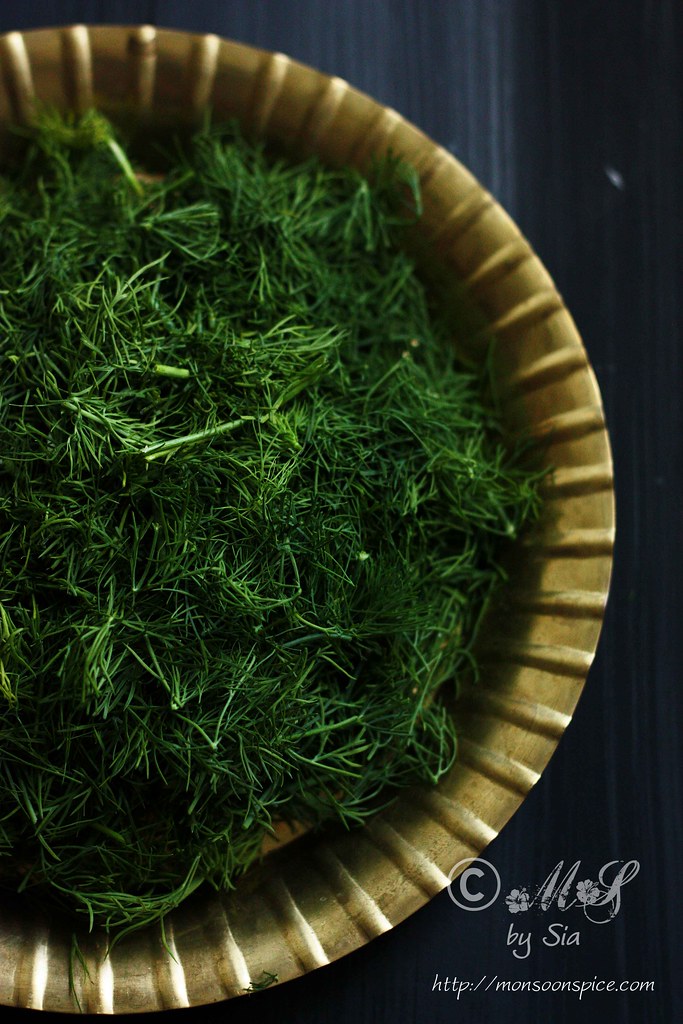
¼ bunch Dill, finely chopped
¼ bunch Coriander Leaves, finely chopped
½ cup Grated Coconut (optional)
1 tbsp Channa Dal
½ tbsp Urad Dal
½ tbsp Mustard
½ tbsp Jeera/Cumin Seeds
1 tbsp Curry Leaves, chopped
2-3 tbsp Oil
Salt to taste

Akki Rotti

Method:
Take oil in kadai and add channa dal, urad dal, mustard and jeera.
Add chopped curry leaves, onion and green chillies when mustard stars spluttering.
Sauté them till onions turn transluscent.
To this add grated carrot and sauté it for a minute.
Pour 2 cups of hot water and add salt to it.
Now add rice flour, grated coconut, chopped dill, coriander leaves and mix well.
Keep mixing the mixture till dough comes together. Make sure that the dough is moist enough.
Turn off the gas and keep the dough to cool for about 5-10 minutes.
Using little water make large lemon sized balls.
Take butter paper or plastic sheet and apply little oil on the surface.
Keep the dough ball in the centre and press it flat using finger tips to ½ cm thickness. I usually cover the sheet with another plastic sheet or butter paper and press them using wide plate, where as my mother use plantain/banana leaves.
Heat the pan and carefully transfer the rotti.
Cook both the sides till they turn golden yellow by applying little oil or ghee if desired.
Serve hot with Coconut Chutney or Sambar or Badane/Eggplant Ennegai of your choice.

Akki Rotti with Coriander Chutney


I served Akki Rotties with Coriander Chuteny. Here is the recipe.


Coriander-Coconut Chutney
Prep Time: 5 mins
Cooking Time: -
Serves: 4-5
Ingredients:
¾ cup Coconut, grated
1-2 Green Chillies
½ cup Coriander Leaves
½ marble sized Tamarind
¼ inch Ginger
Salt to taste

Coriander Chutney


Method:
Grind all the ingredients to smooth paste using warm water.

Akki Rotti with Coriander Chutney


Continue Reading...


Thursday, 25 January 2007

Navaratna Dosa with Coriander Chuteny

Lentils/beans are important part of diet in India. Be it plain rasam, sambar or dal lentils/beans are the main ingredients. I try to include lentils as much as possible as they are not only nutritious but also taste good. My hubby prefers dosa/pancakes for breakfast. Dosa can be made using just one ingredient. But here I am posting a recipe of dosa where I have used 9 different lentils/beans, so the name Navaratna which means 9 precious gems. The recipe source is of course my mother.


Ingredients:
1 cup Rice
1 tbsp Methi/Fenugreek Seeds
½ cup Grated Coconut
Handful of Poha
6-8 Dry Red Chillies
Salt to Taste
Lentils/Beans used:
Whole Green Gram
Split Green Gram
Toor Dal
Urad Dal
Split Chana Dal
Chana Dal/Chickpeas
Kidney Beans/Rajma
Whole Wheat
Black Eyed Beans


Navaratna Dosa with Coriander Chuteny & Soppu Sambar

Method:
Soak rice, fenugreek seeds and all lentils/beans in water for 2-3 hours.
Add poha, chillies and coconut and grind them to smooth paste adding enough water and salt to taste.
Keep it over night to ferment the batter in warm place.
Next day prepare dosa and serve hot with any Chutney or Honey or Sambar


Navaratna Dosa

I served this dosa with Coriander Chutney. Here is the ingredient and method for making fresh coriander chutney.

Ingredients:
Small bunch/handful of Fresh Coriander Leaves
½ inch Ginger
1 cup Grated Coconut
2-3 Green Chillies
½ tsp Cumin/Jeera Seeds
1 tsp Tamarind Paste
Salt to taste

Navaratna Dosa with Coriander Chuteny & Soppu Sambar

Method:
Grind all the ingredients adding little water at a time to smooth paste.
You can also season it with mustard and curry leaves.


Continue Reading...